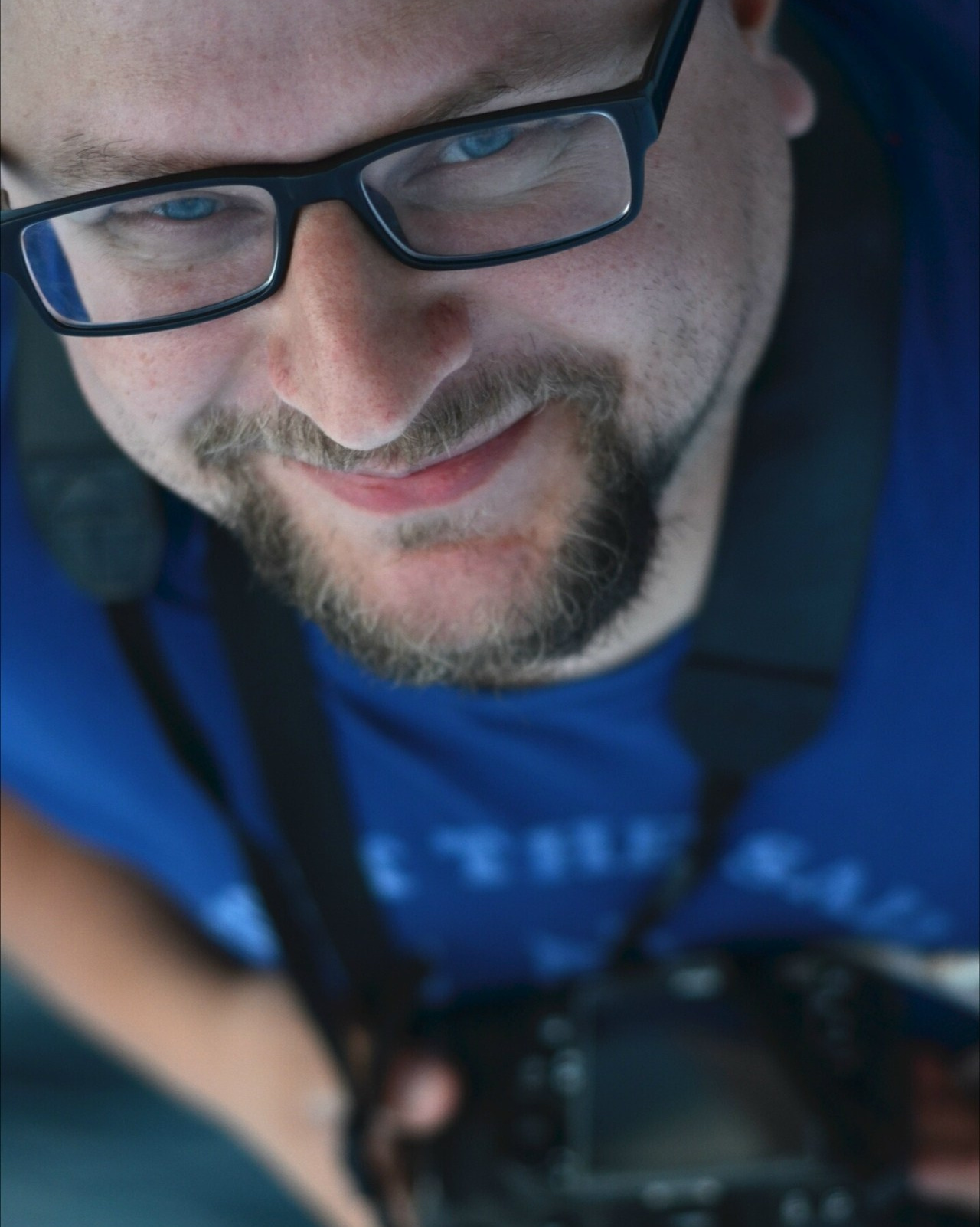
Fototropa
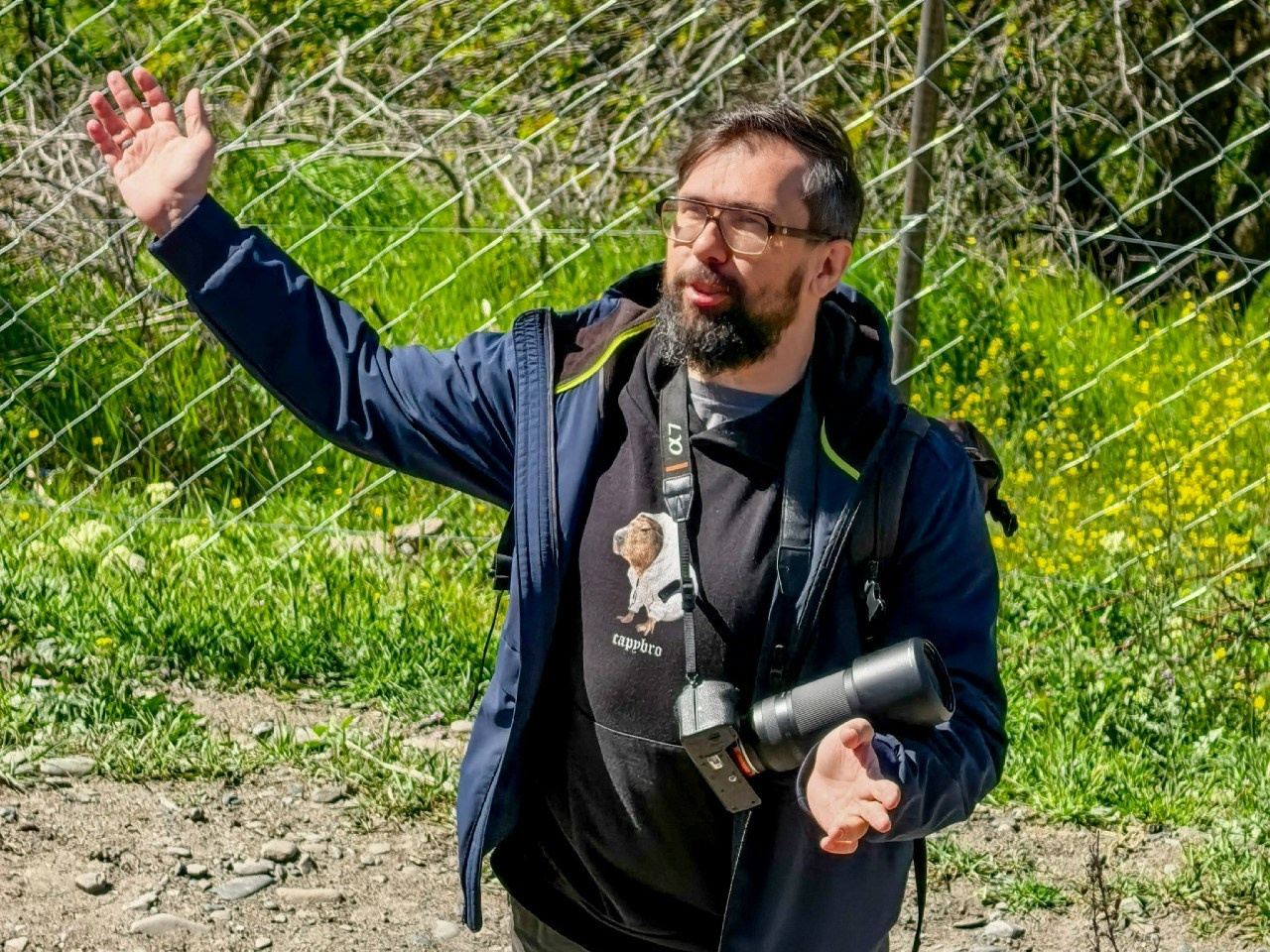
… means “photo way” in Russian. I started this educational and travel project twelve years ago. Today, it combines three things: a travel agency, a photography school, and a community of amateur travel photographers.
Like a travel agency, we offer a program of short and long photo tours. Like a photography school, we provide learning materials and organize field workshops. And like a community, we stay in touch through group chats, share our pictures, and make plans for future journeys.
Over the years, more than 2,000 people have traveled with us across Russia, Georgia, Uzbekistan, and India.



On the move
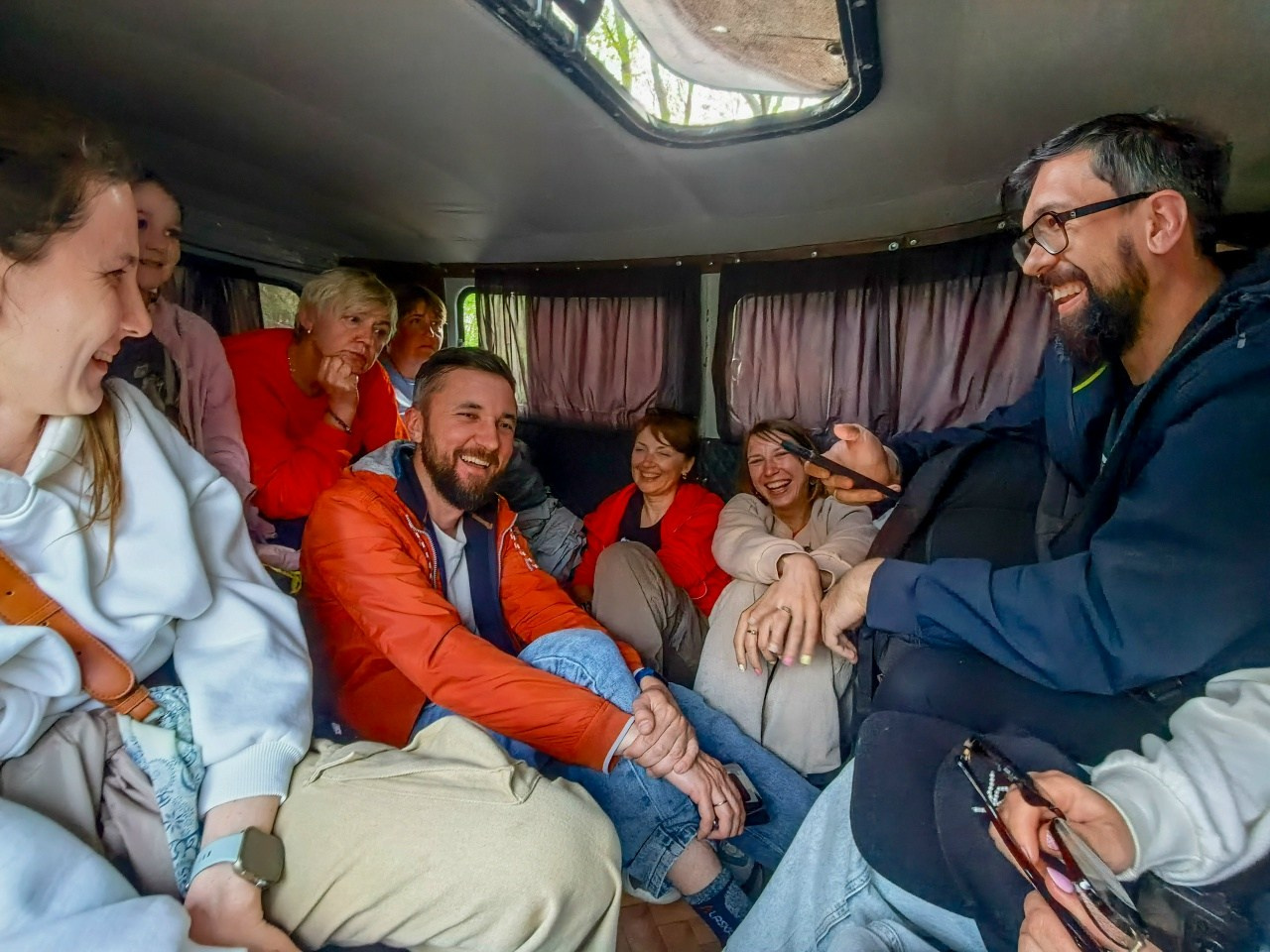
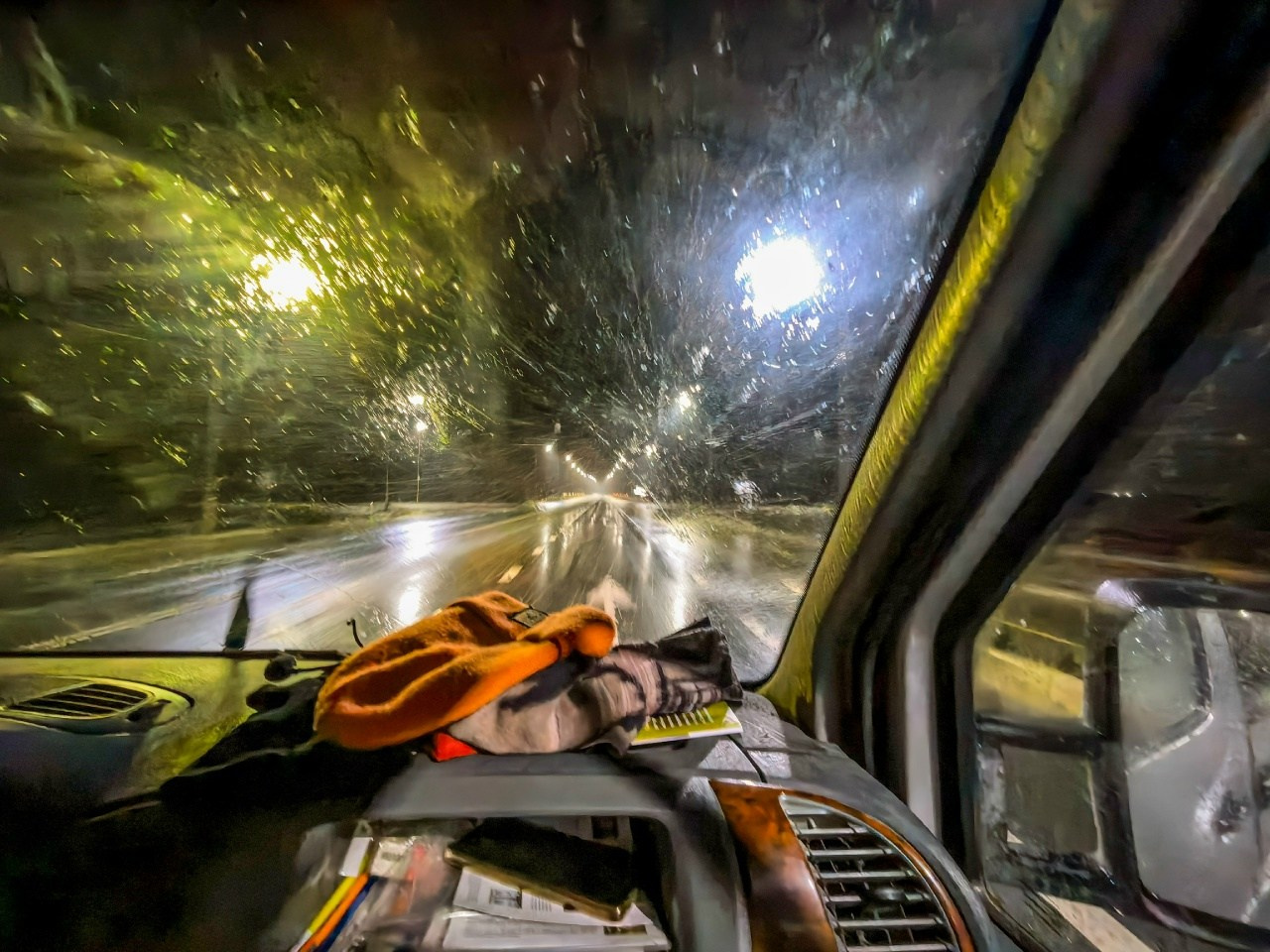
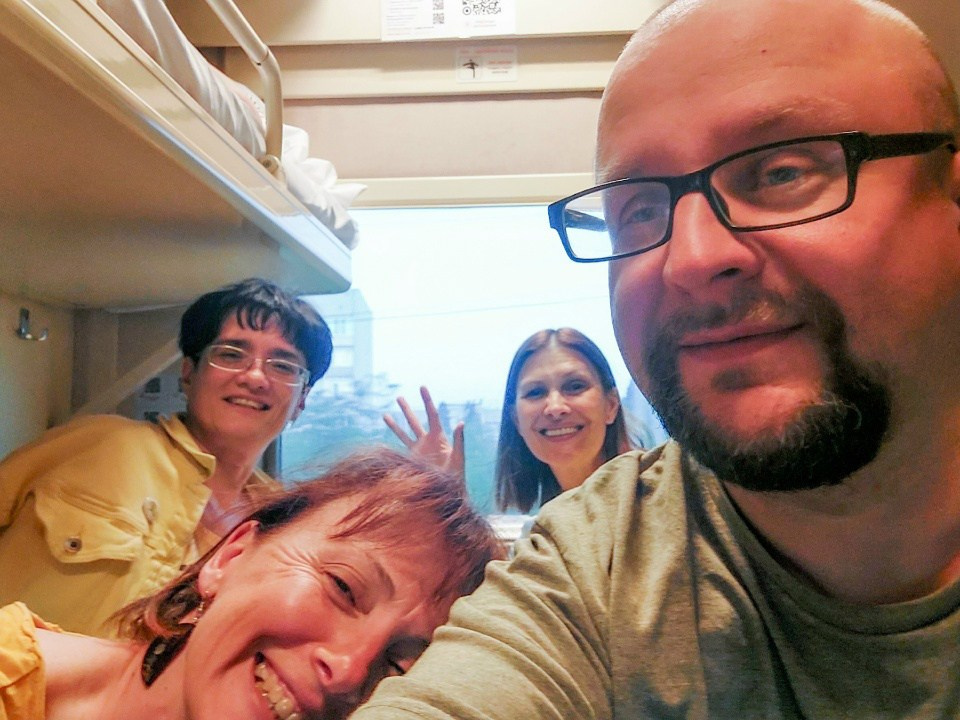
We travel in small groups of 10–15 people, using everything from planes and trains to sailing yachts and even donkeys. Our favorite way to travel, however, is by minibus. It gives us the freedom to stop anywhere along the route and explore the landscape on foot.
We walk a lot, talk to local people, enjoy our small travel rituals, and, of course, take pictures.


Exploring the location
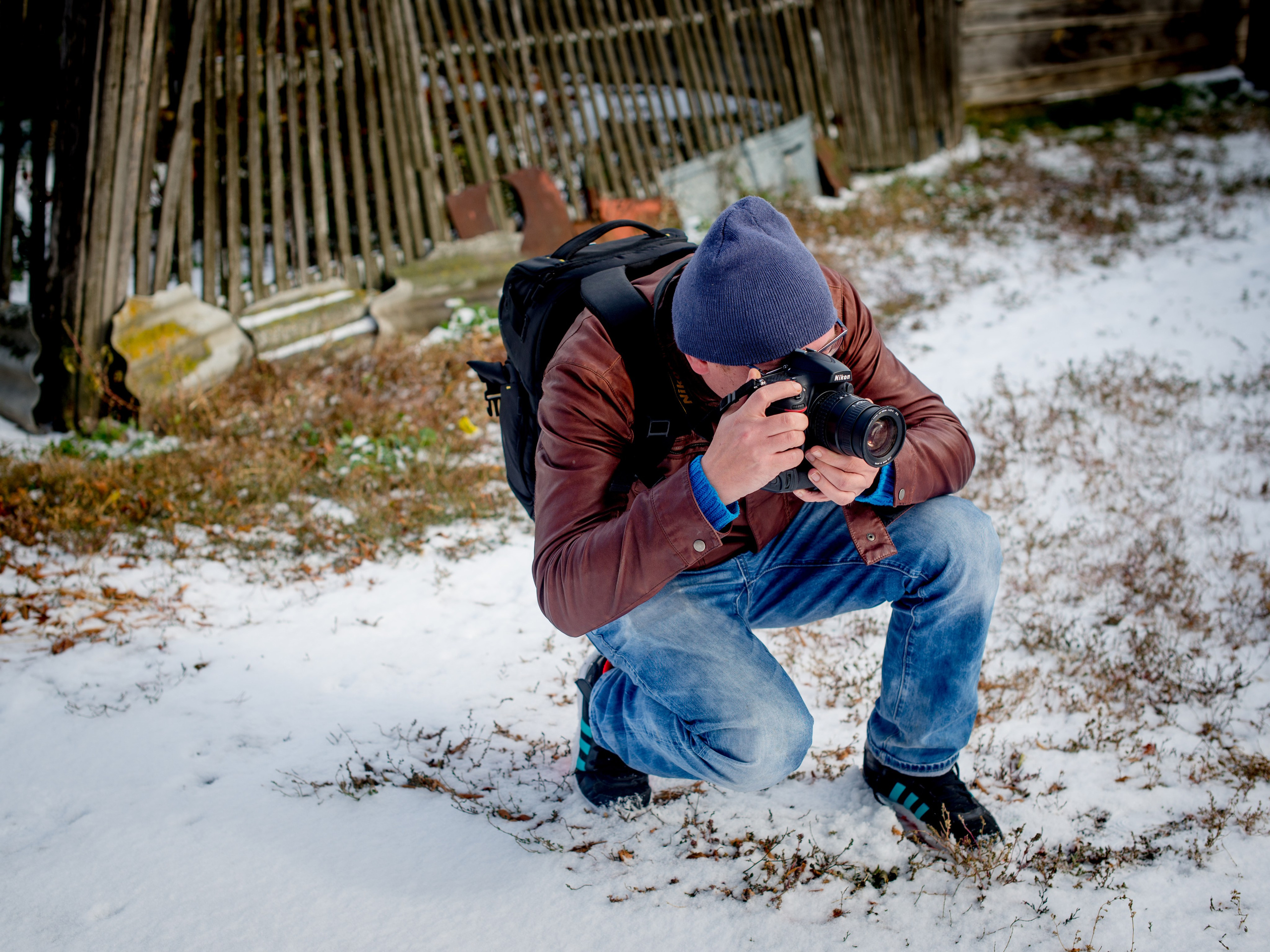
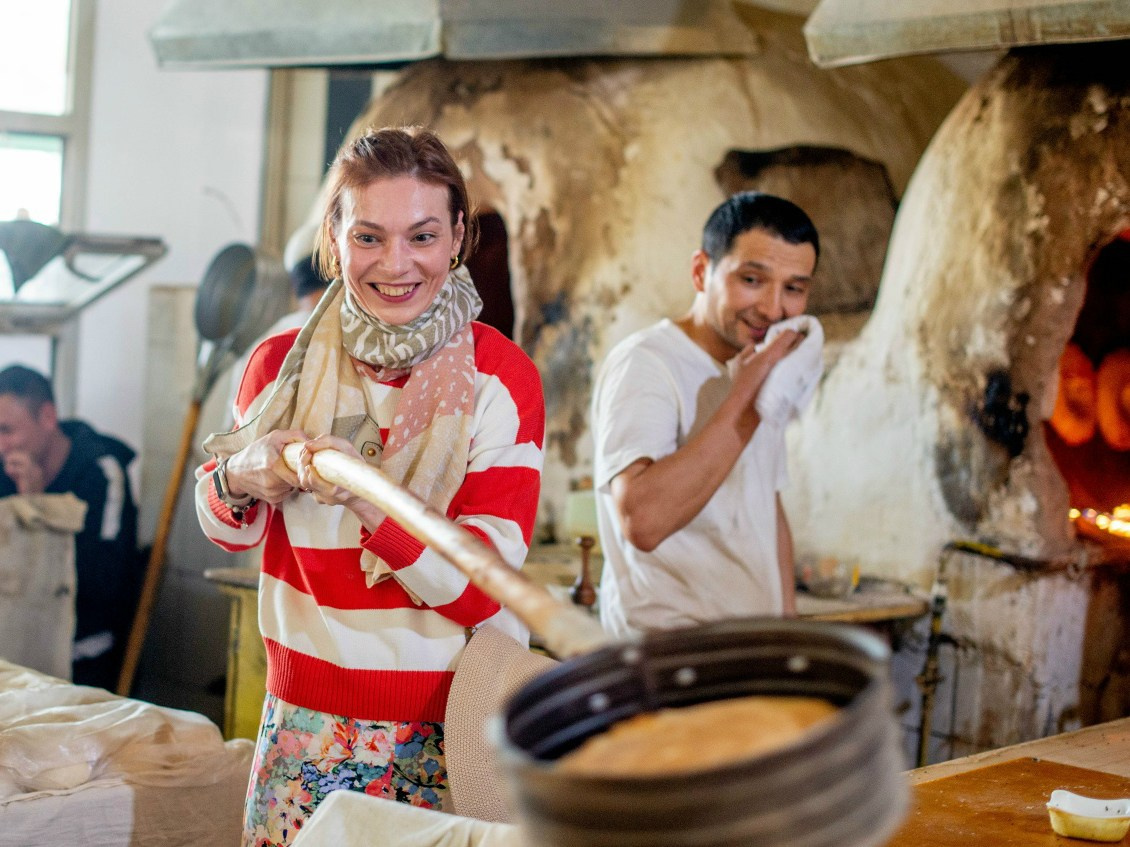
We try to start exploring each location in advance through books and videos. Once we arrive, we talk to local people and sometimes take part in regional traditions and rituals. In Kalmykia, we tie “wind horses” for good fortune, and in northern Russia we leave shawls in small chapels.
We try to understand a place not only through its history and traditions, but also through careful observation. At some locations, we stop for a while, sit on the hillsides, and listen to the sound of a jaw harp.


Travel and learning
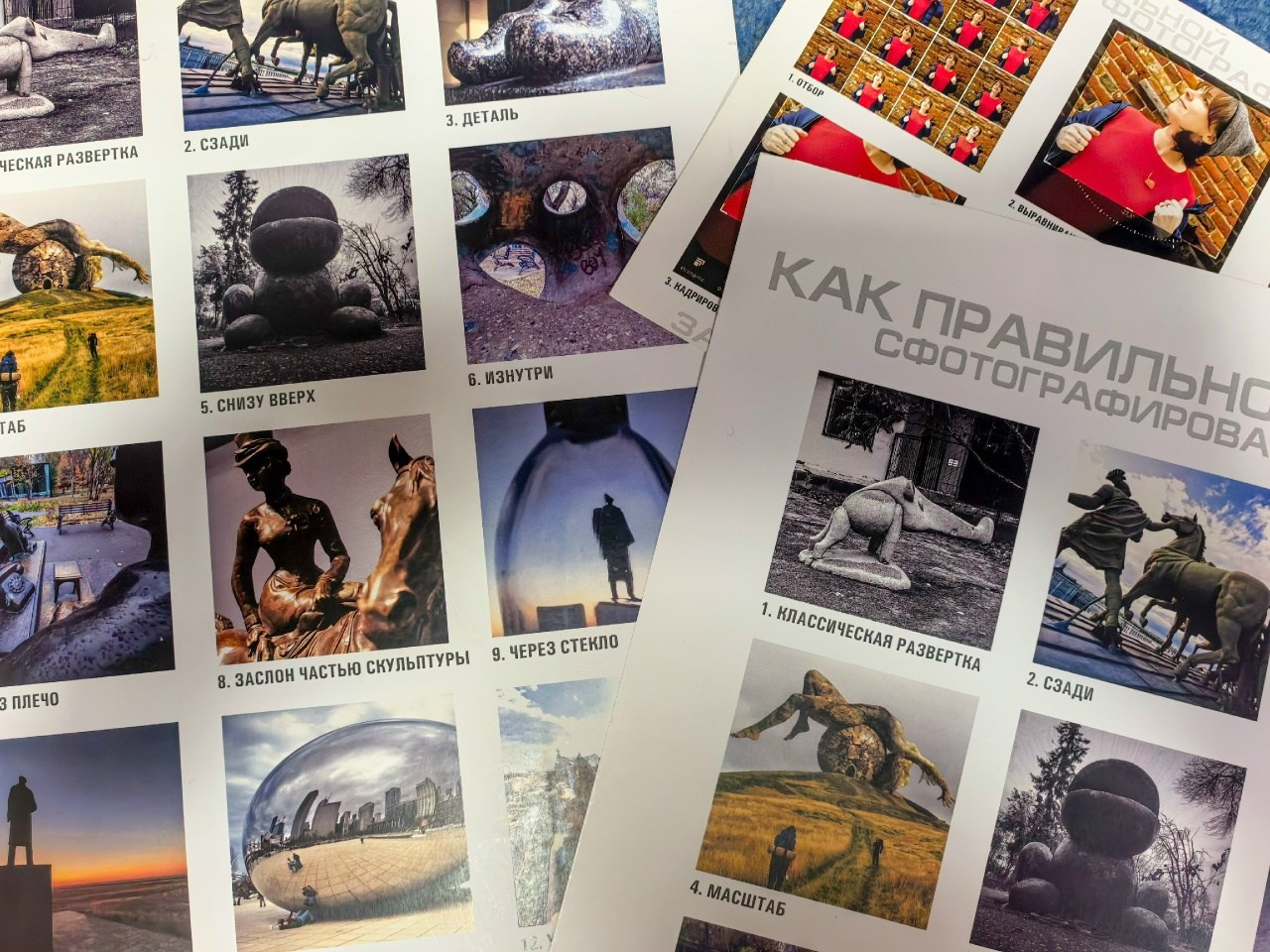
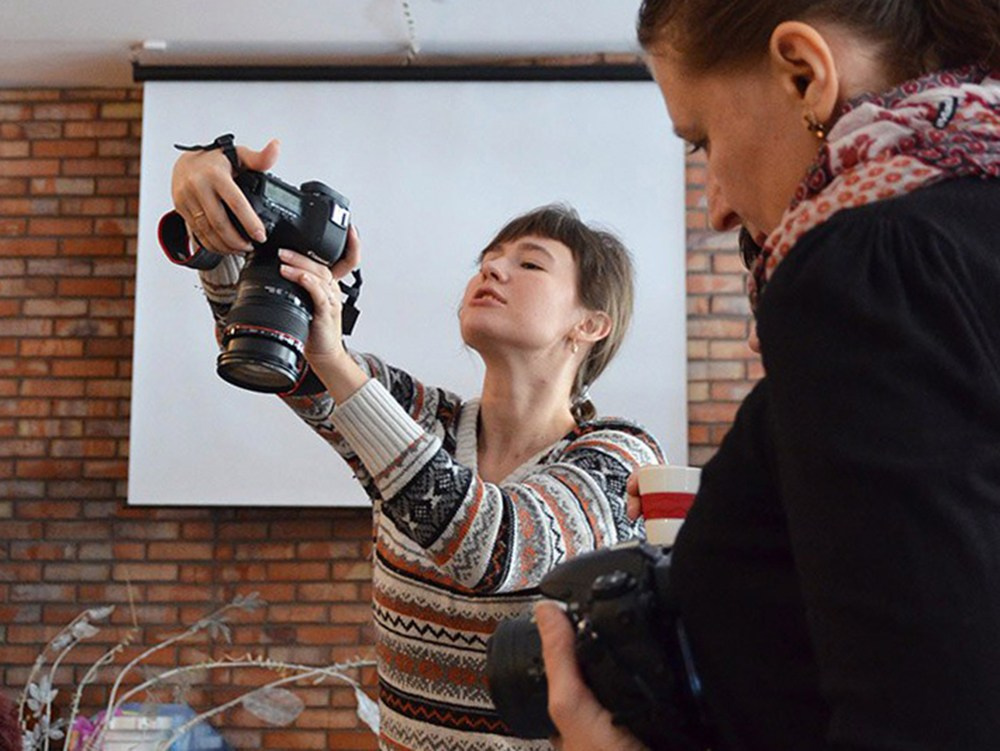
Every photo trip has a key learning focus. Sometimes we concentrate on formal aspects of photography such as composition, framing, rhythm, and visual forms. On other trips, we explore urban photography or try to create a photo report from a local festival.
Before each tour, we prepare branded learning materials, and during the trip we discuss the topic together and put new ideas into practice.
We believe that the best way to learn photography is through travel and practice, not in theory.


Taking pictures
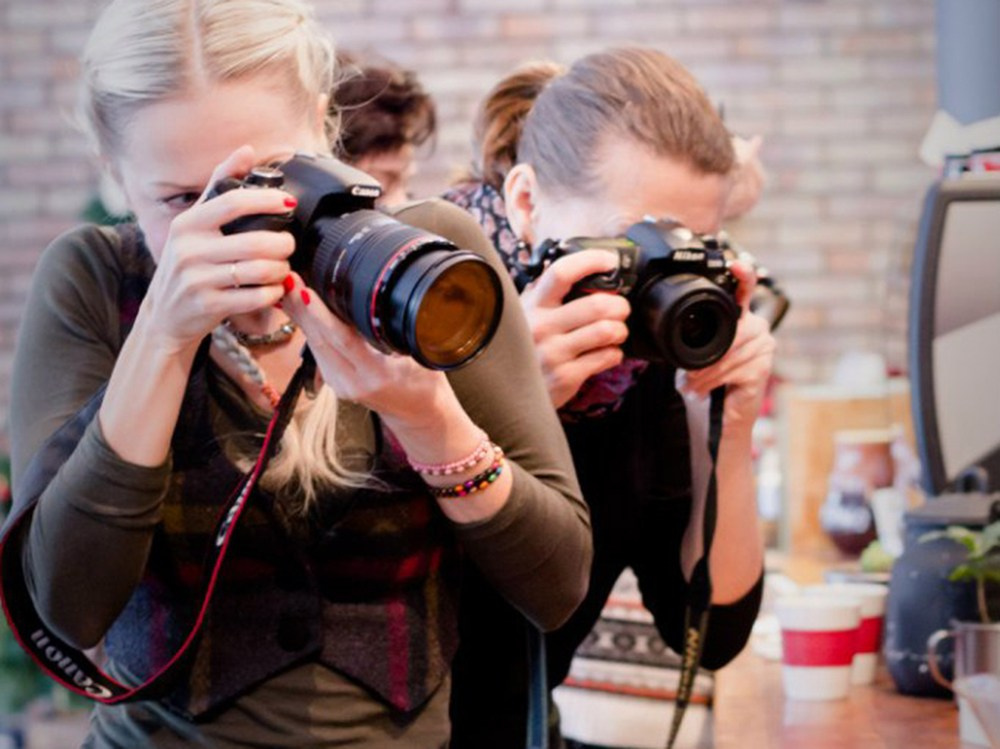
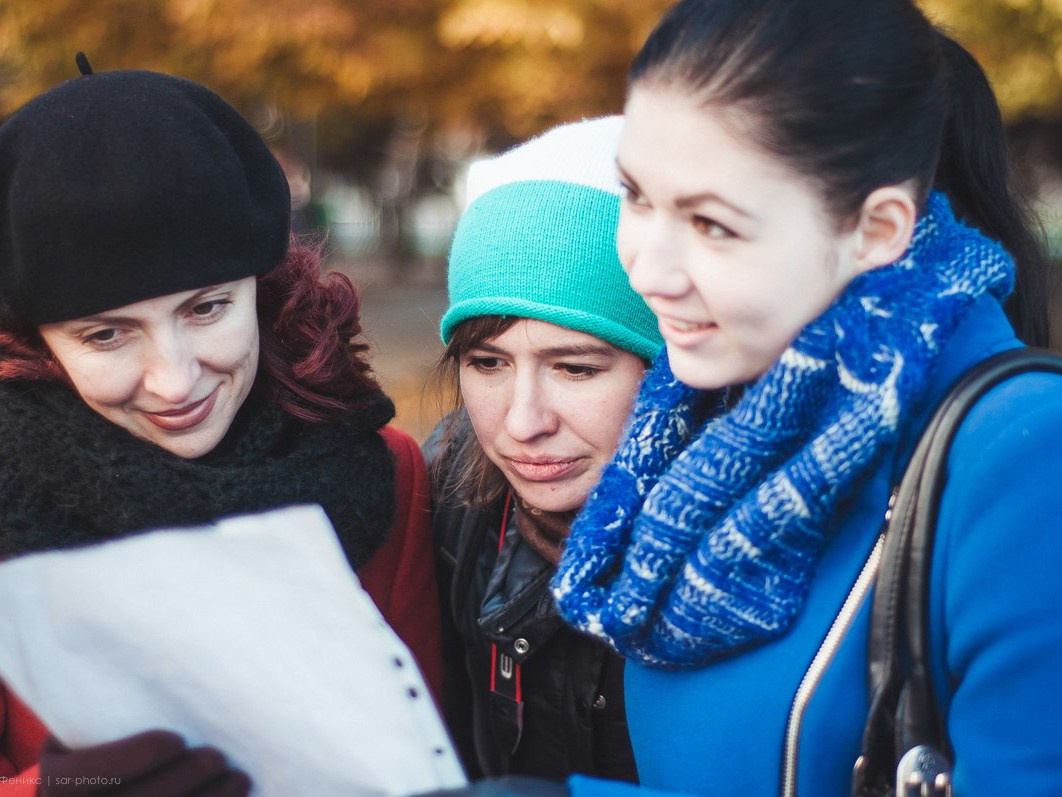
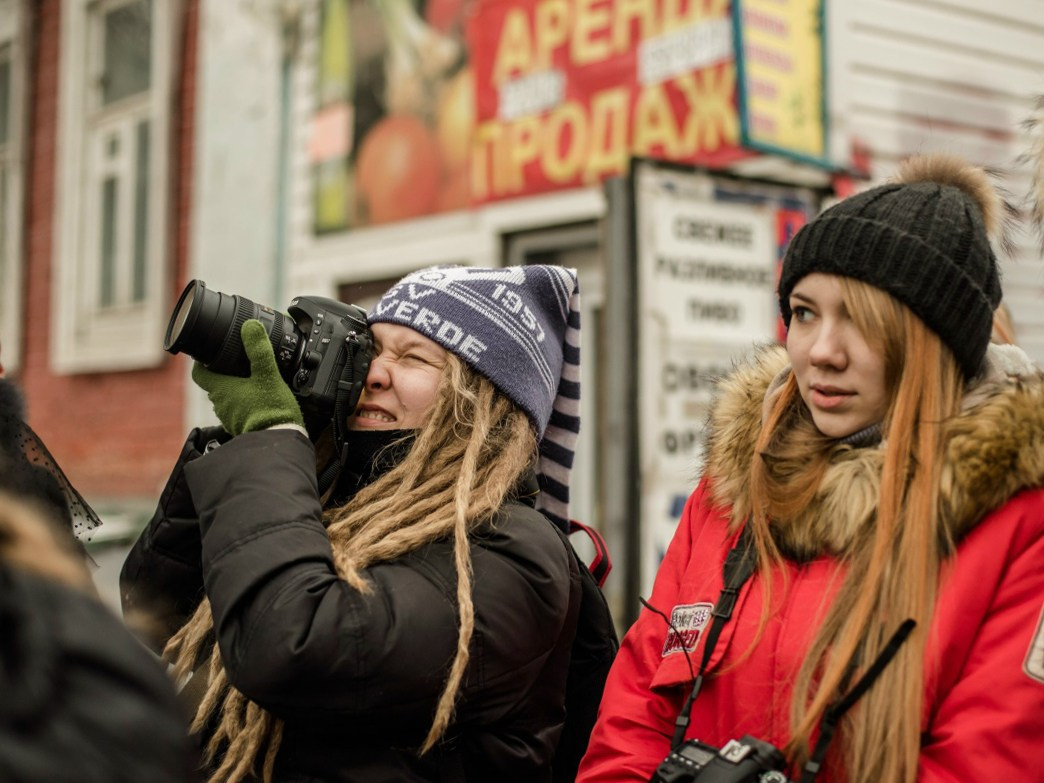
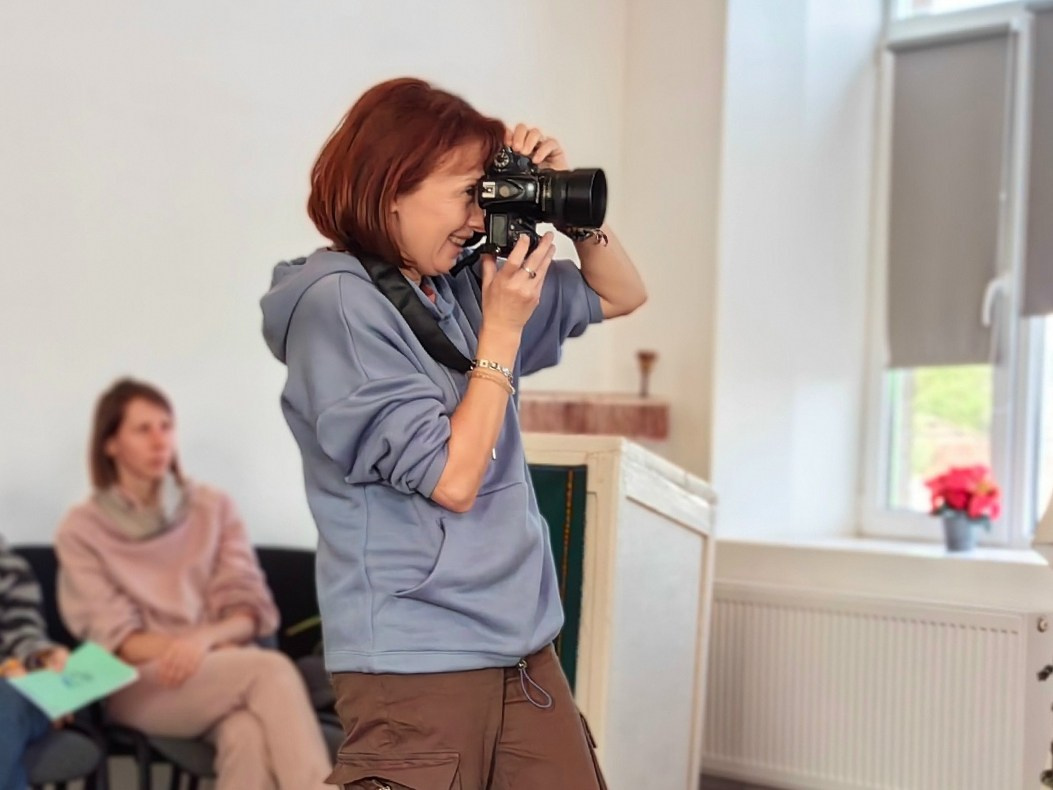
At the beginning of each day, we photograph together. Later, everyone gets time for individual photo hunting.
For example, when visiting a mountainous village in Dagestan, each participant sets off in a different direction from the central square and spends a couple of hours looking for interesting scenes and subjects.
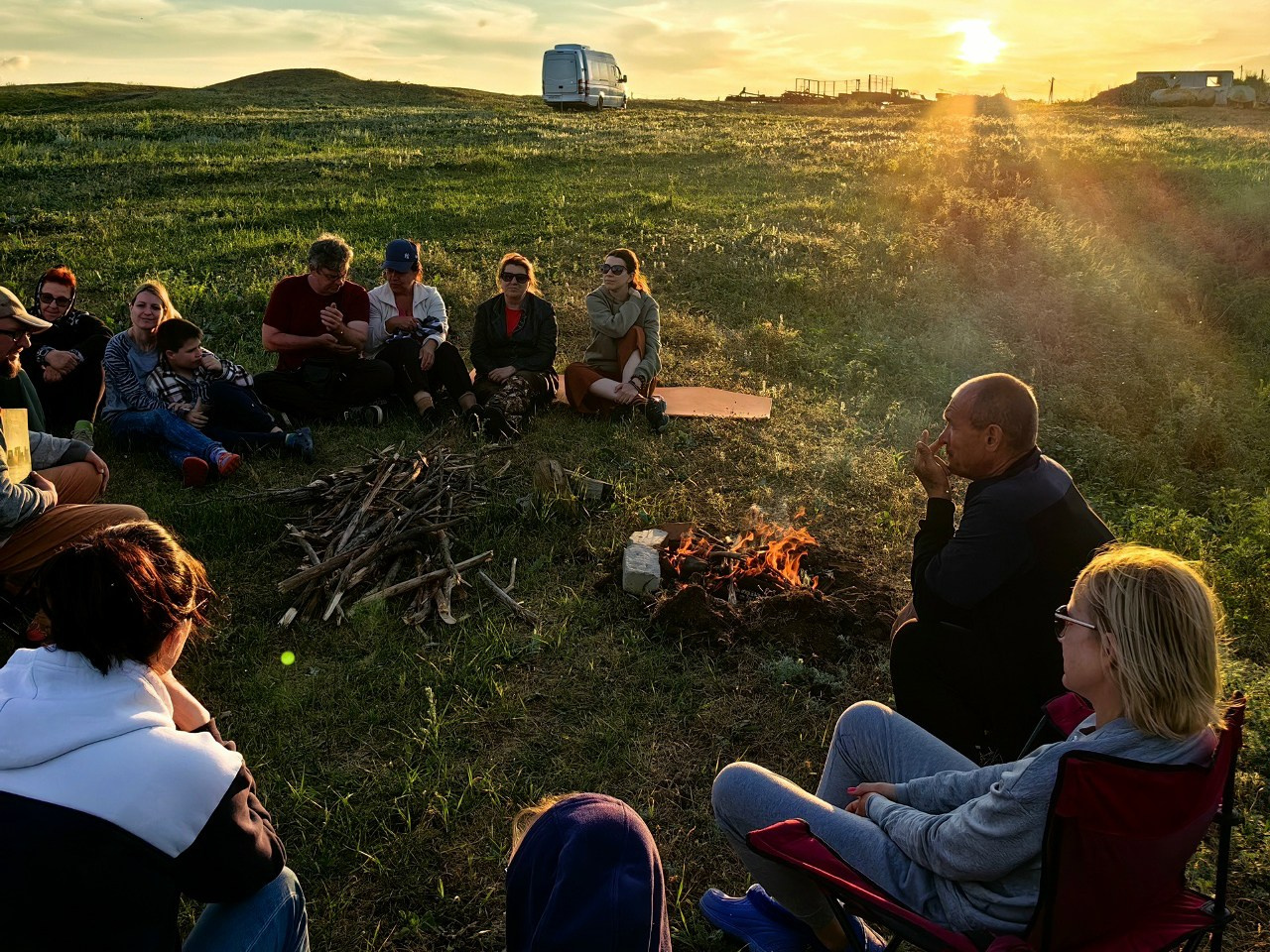
In the evenings, we gather in a café or around a campfire to review and discuss the photographs we have taken during the day.




After the tour
The journey does not end when we return home. In the weeks after each tour, participants contribute their photographs to a shared album and continue discussing the experience.
We also try to share our work with a wider audience through both social and traditional media. Collective photo stories created within the project have been published in a range of local media outlets, as well as in Territorial, Forte Club, and other publications. The project has also been featured on federal TV channels, including Poehali! , Rossiya, and Nastroenie TV.
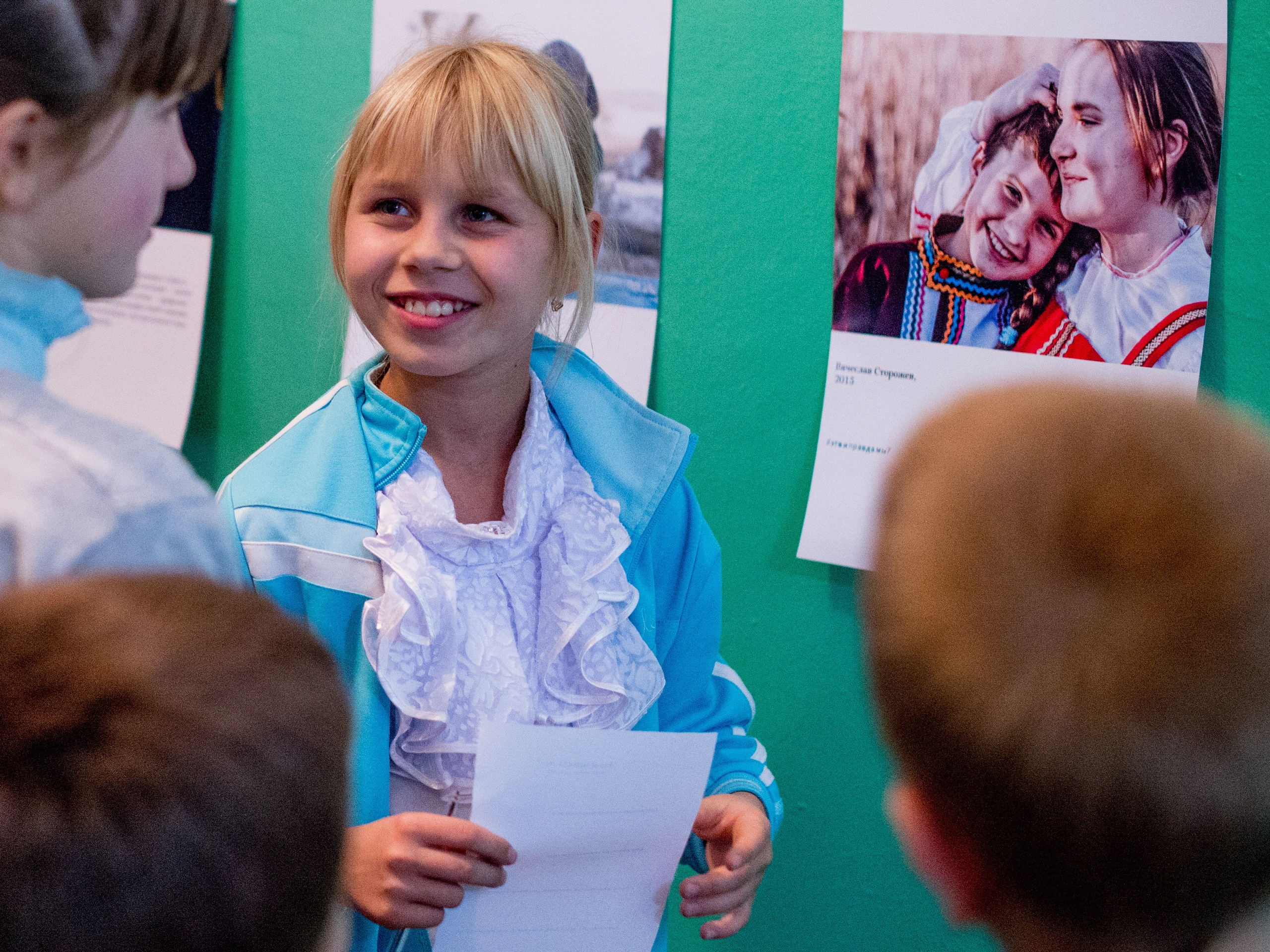
Every few years, we organize a photo exhibition presenting the results of our travels and photographic work.
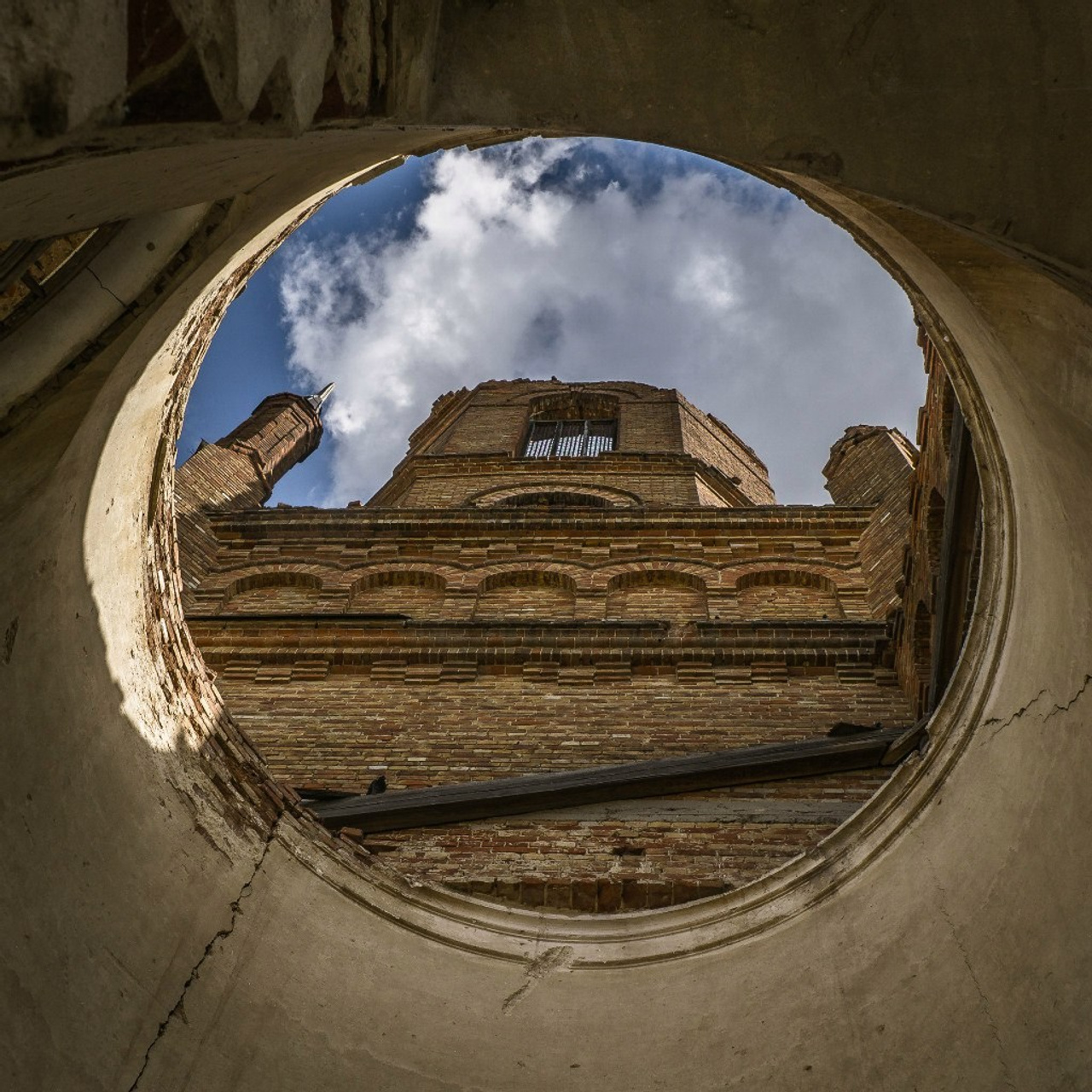
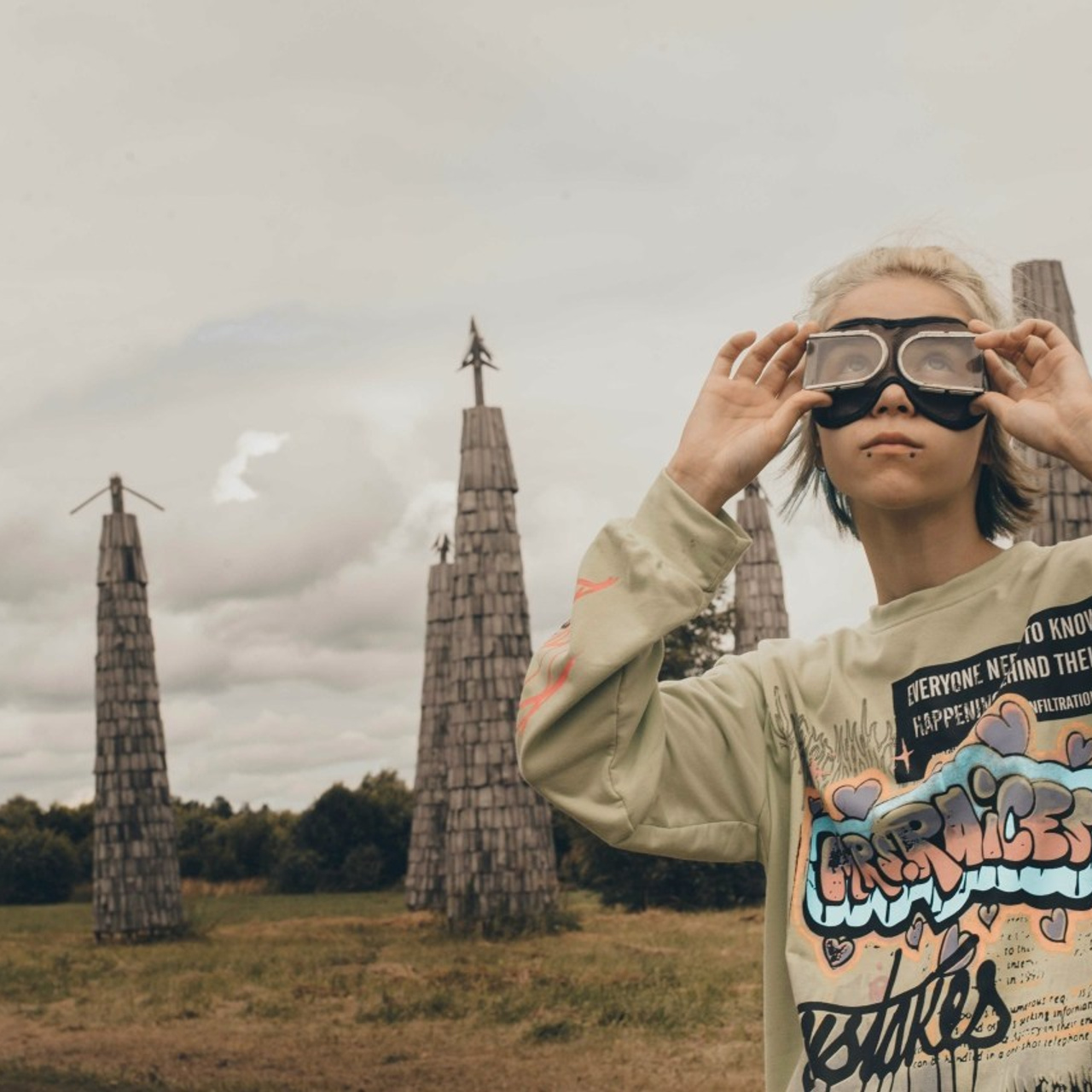
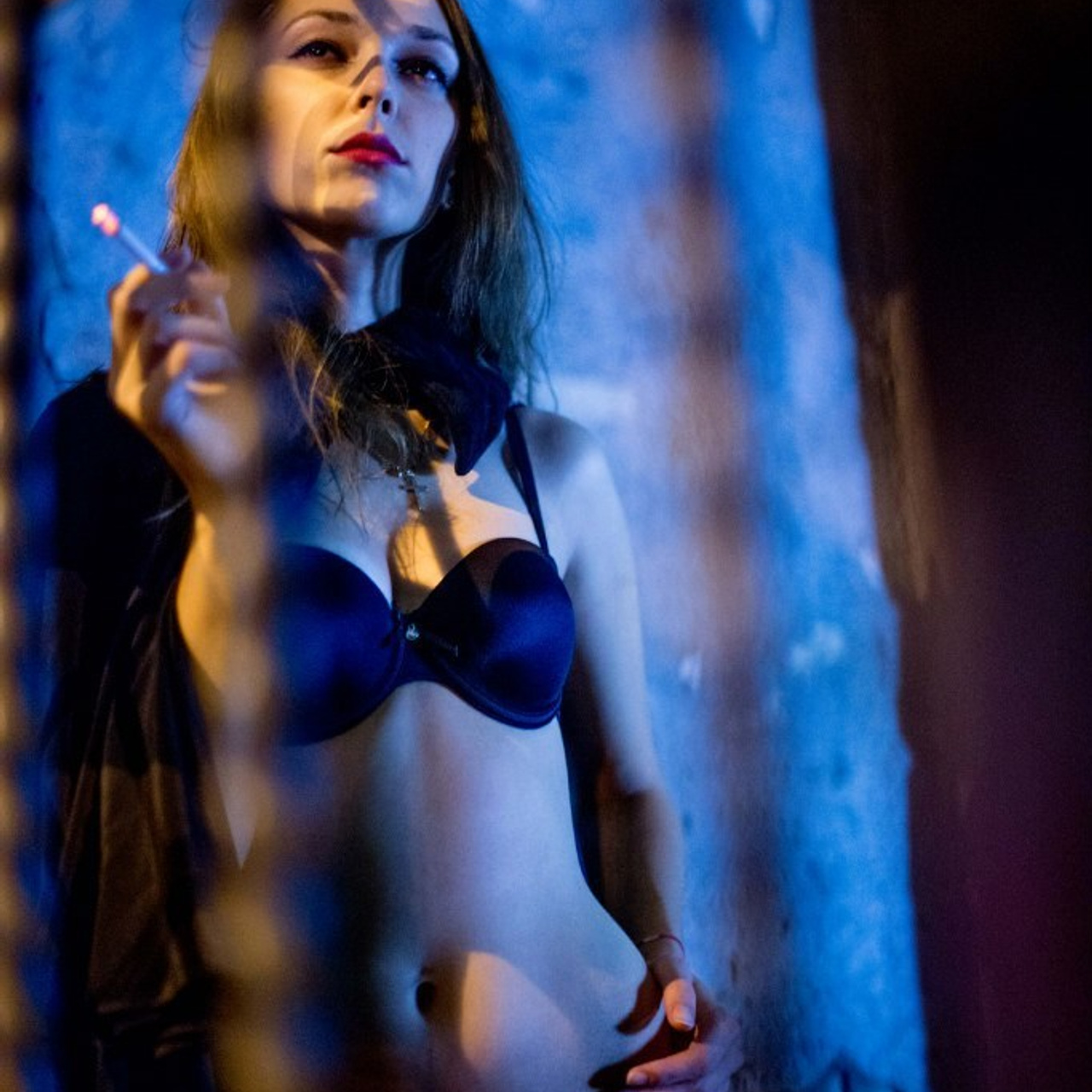
Below are four of our collective projects. Some of them were highly praised by the media and exhibition visitors.