Volga Germans: Ruins and Memory
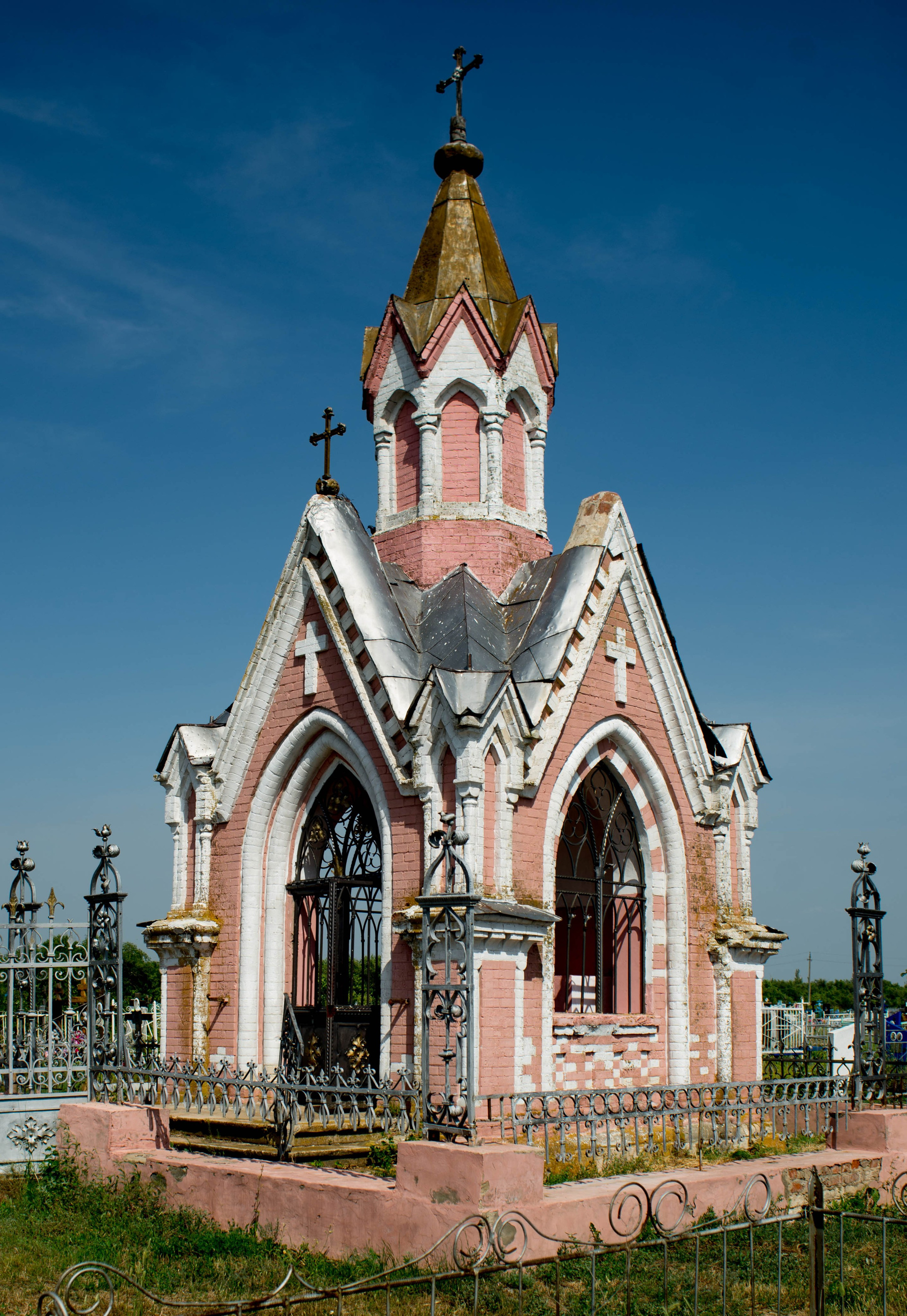
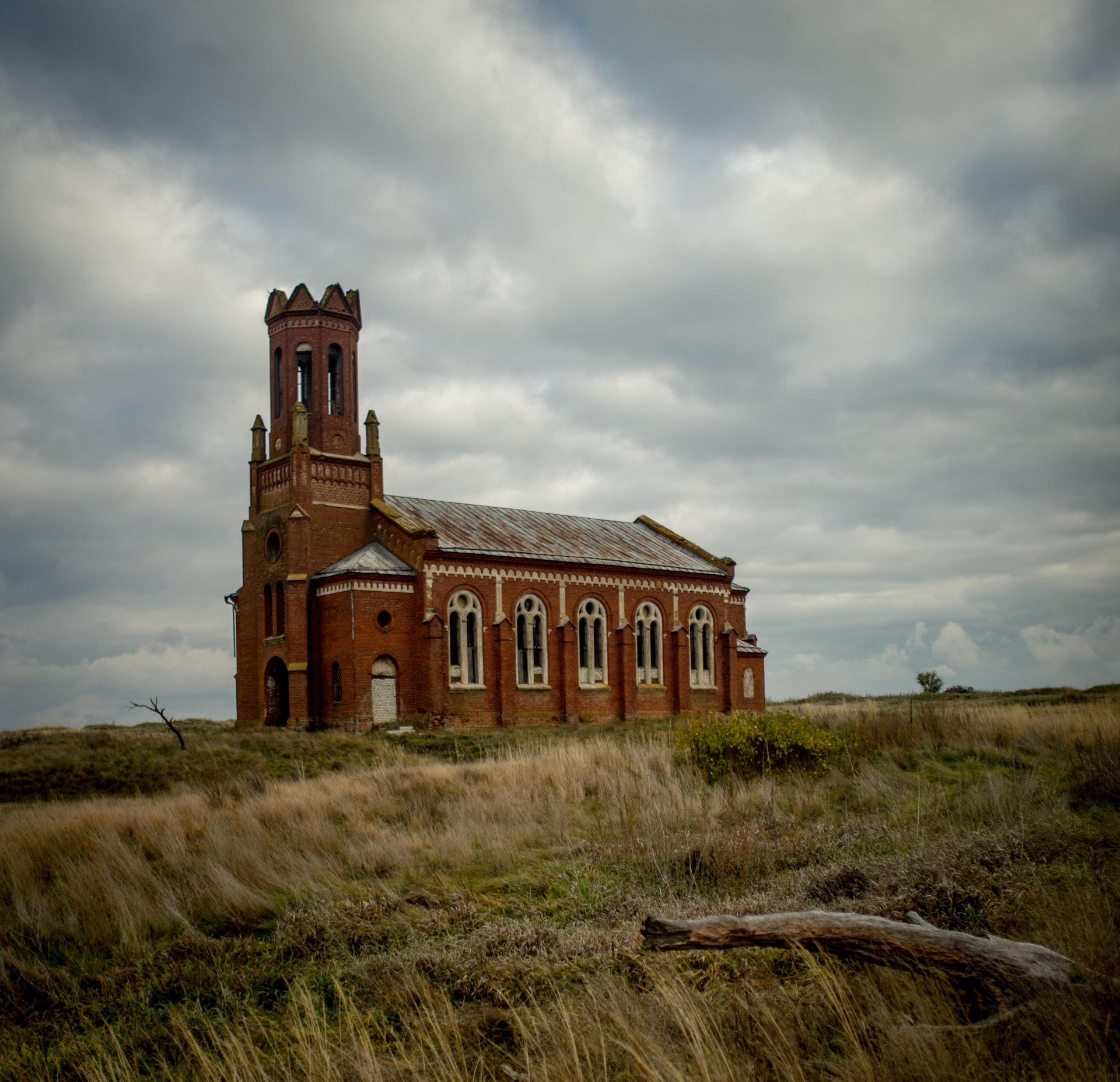
In the 18th century, thousands of Germans became settlers on the banks of the Volga River. They established hundreds of villages, built Gothic churches, and helped the Russian government displace nomadic peoples from the steppe. Two hundred years later, at the outbreak of the Second World War, the descendants of these colonists were brutally deported under Stalin’s decree.
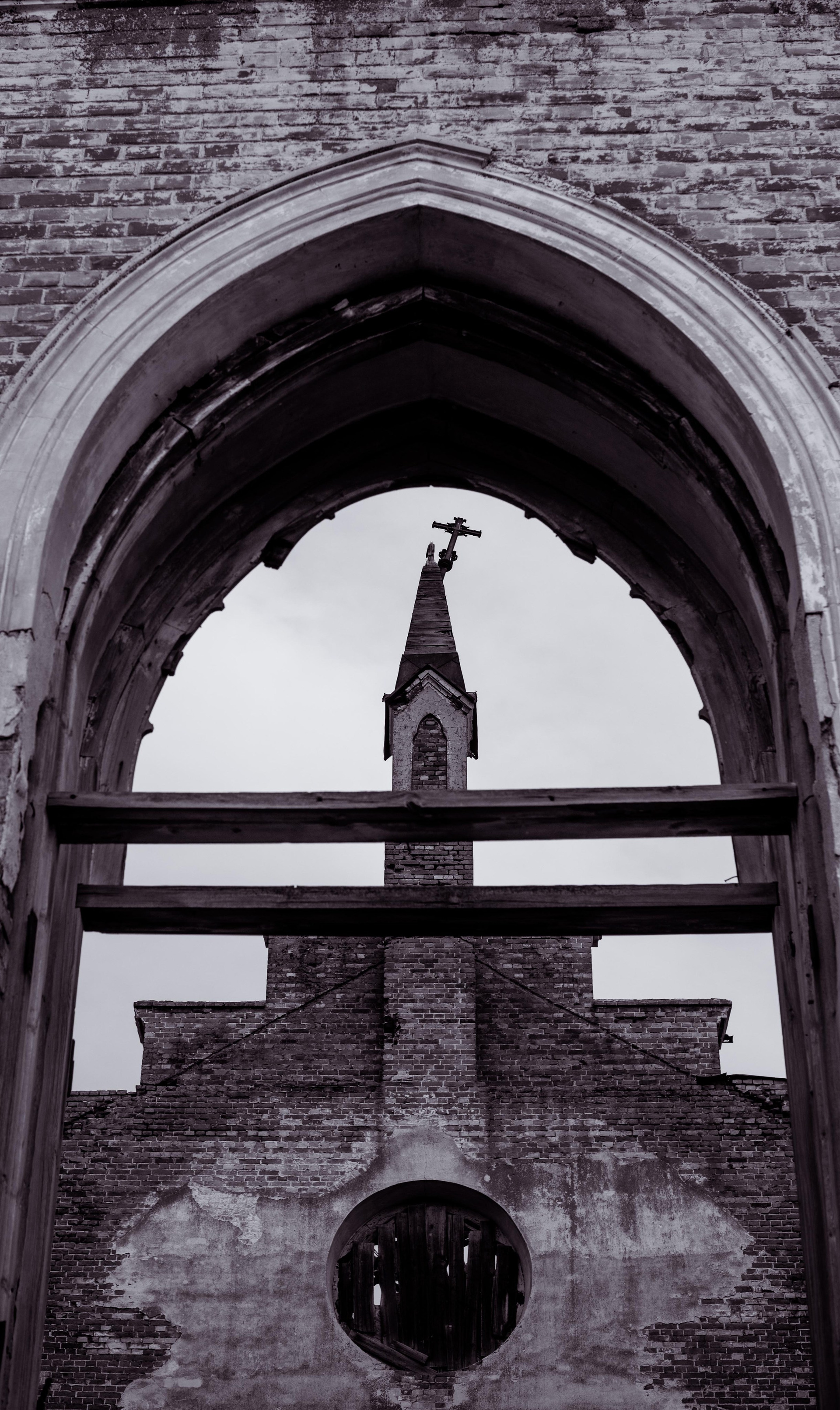
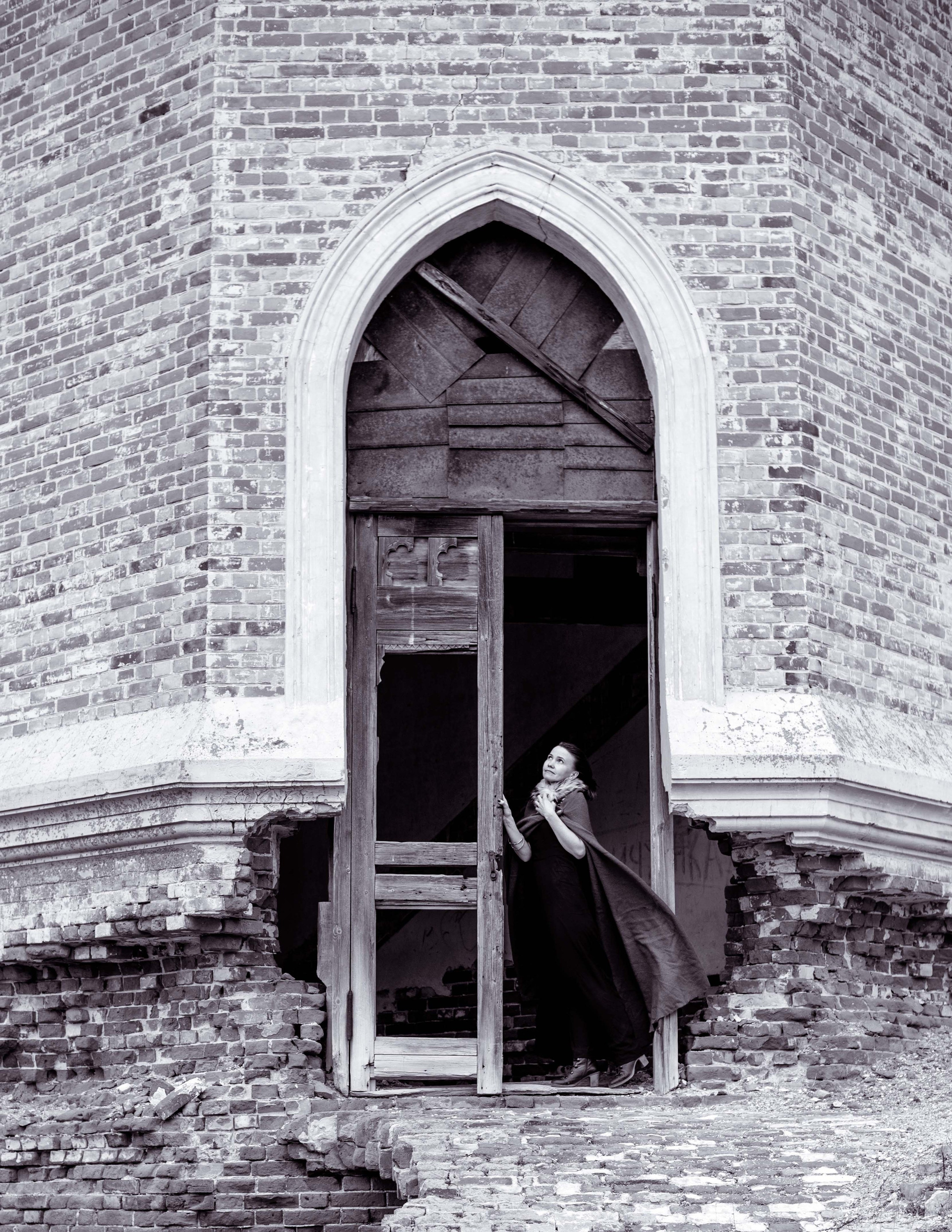
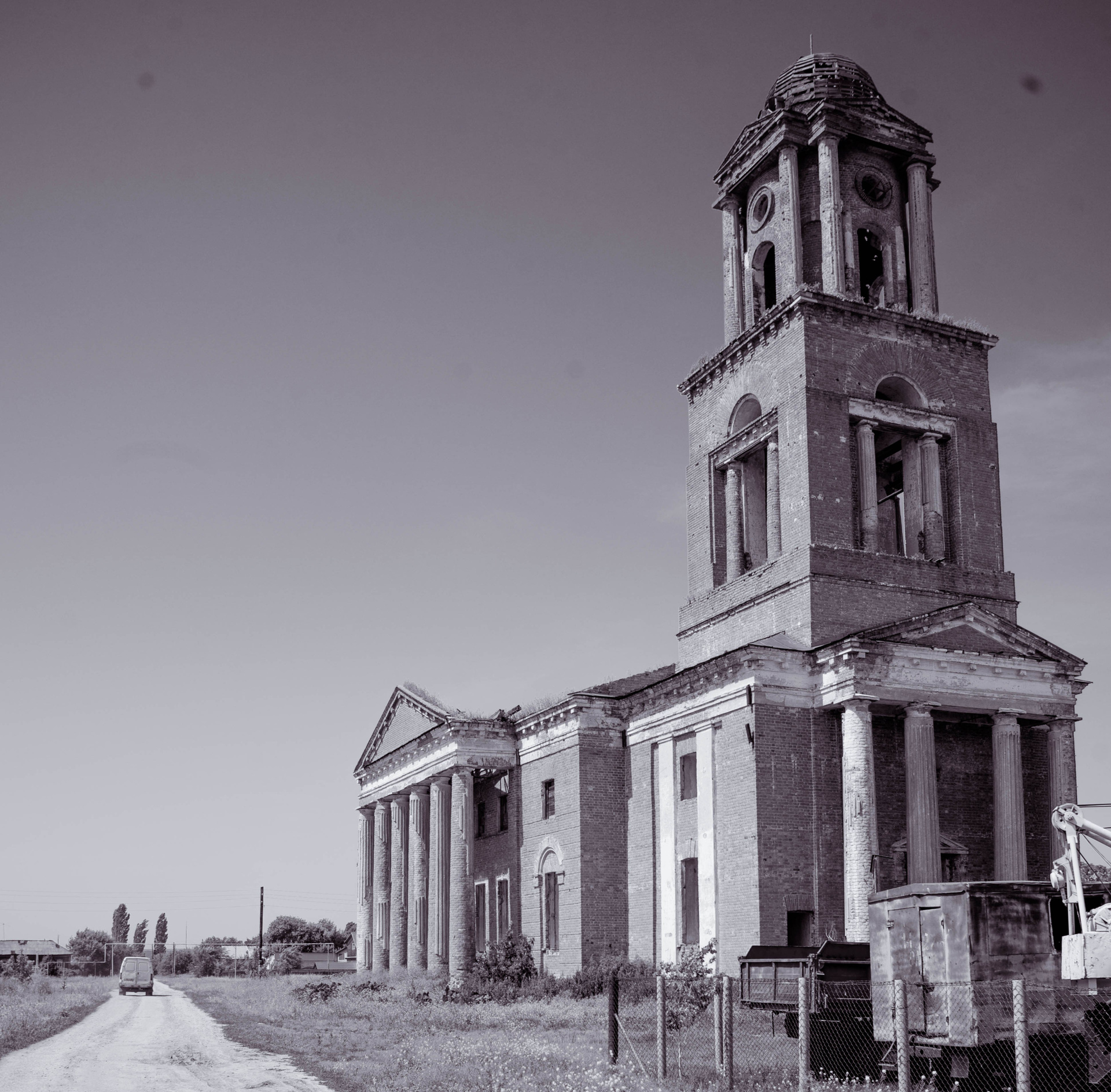
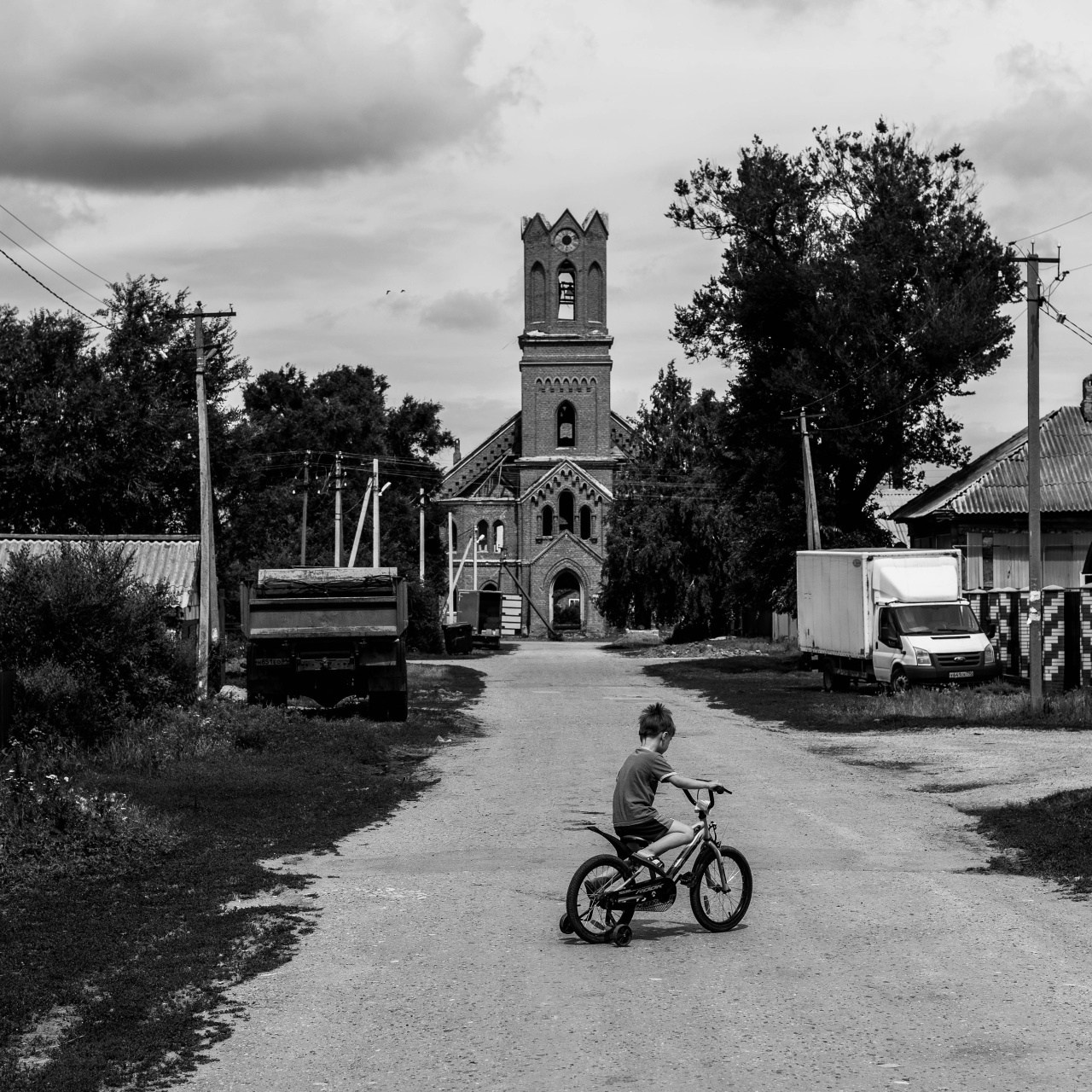
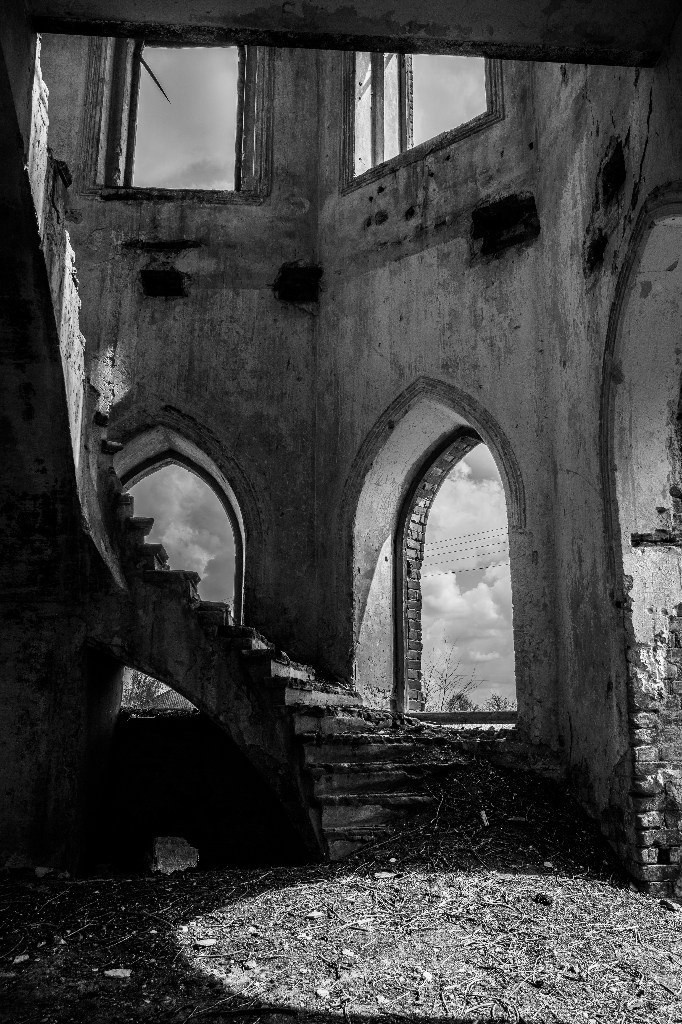
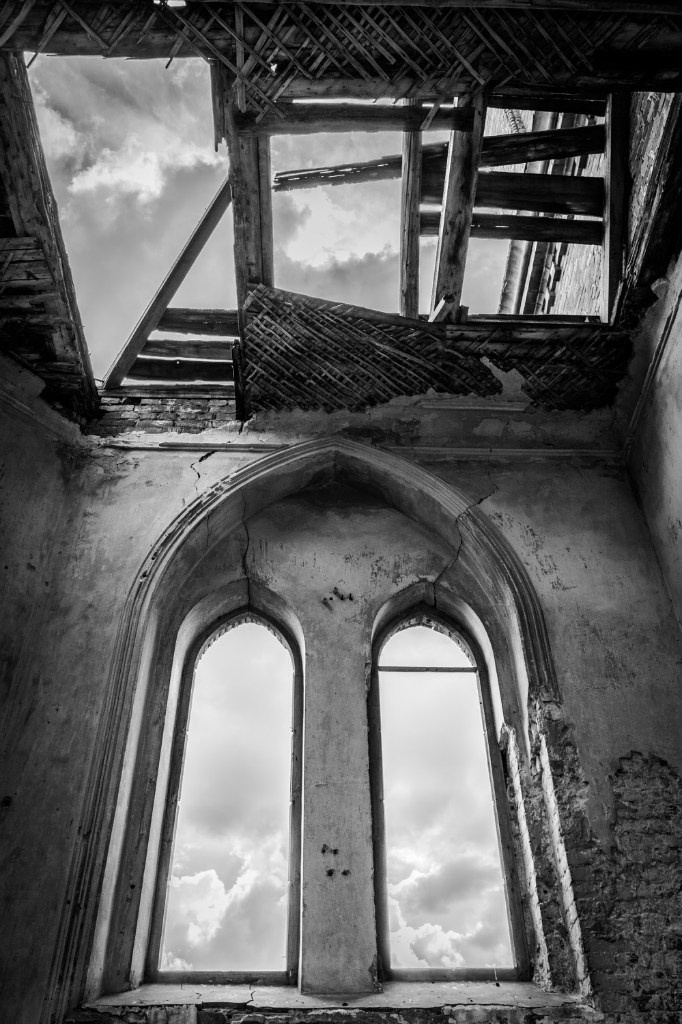
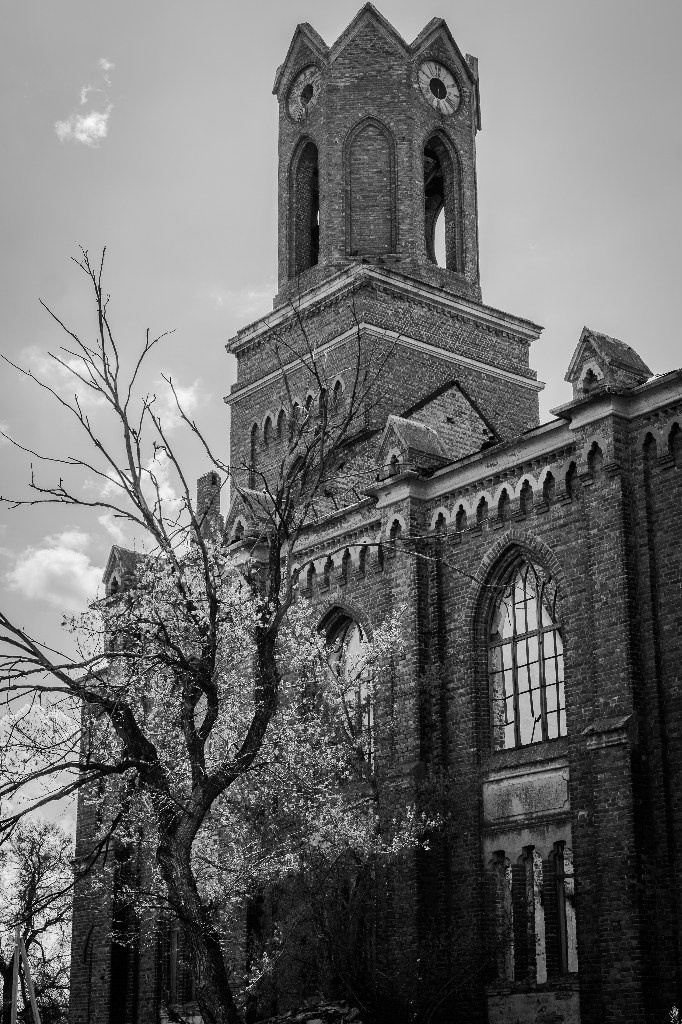
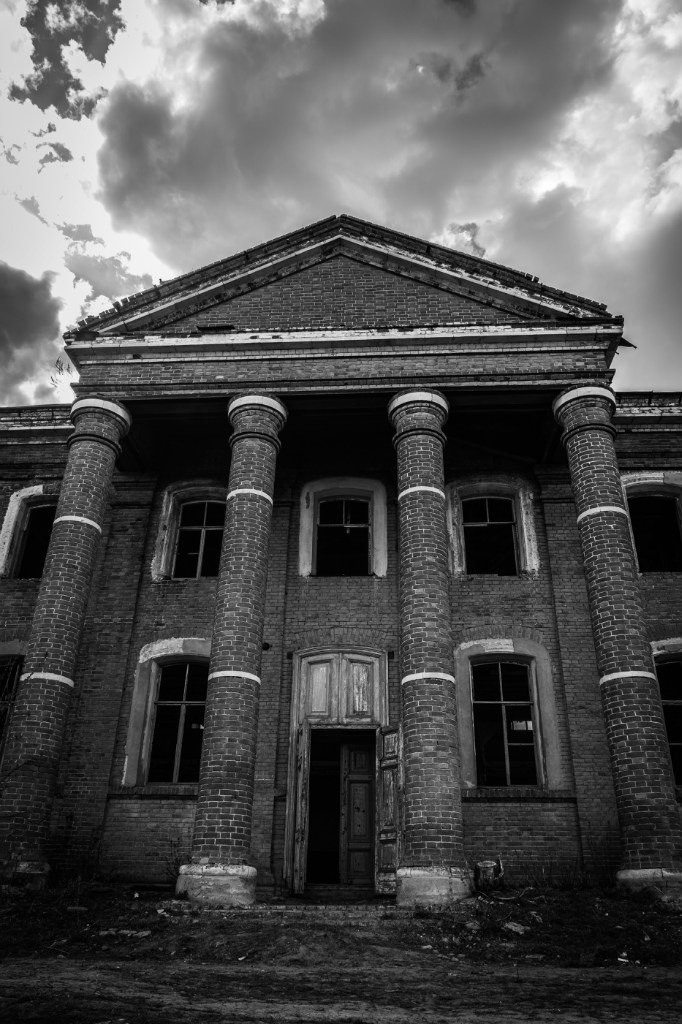
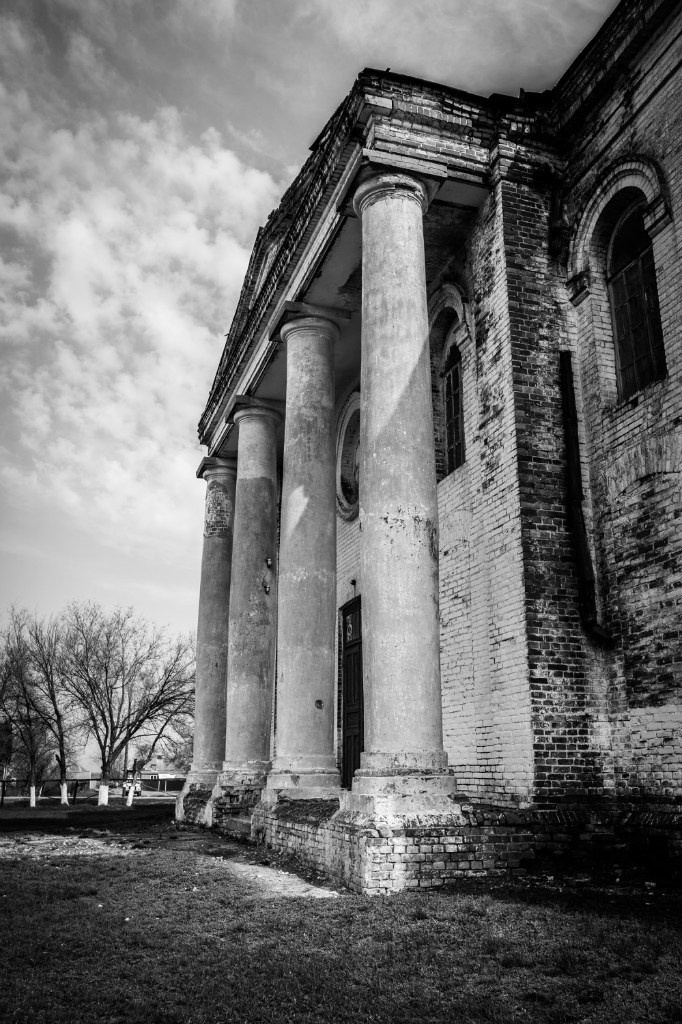
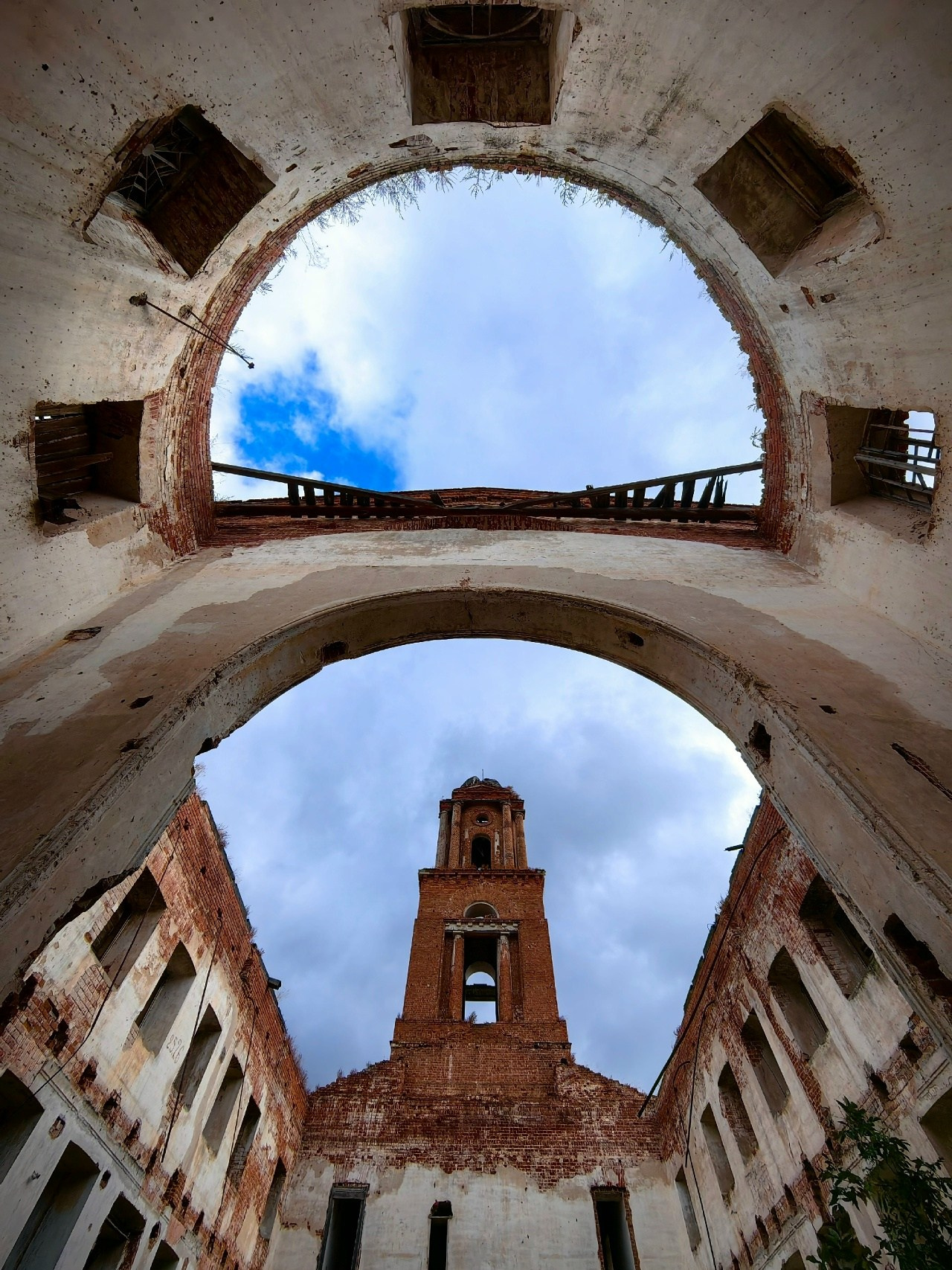
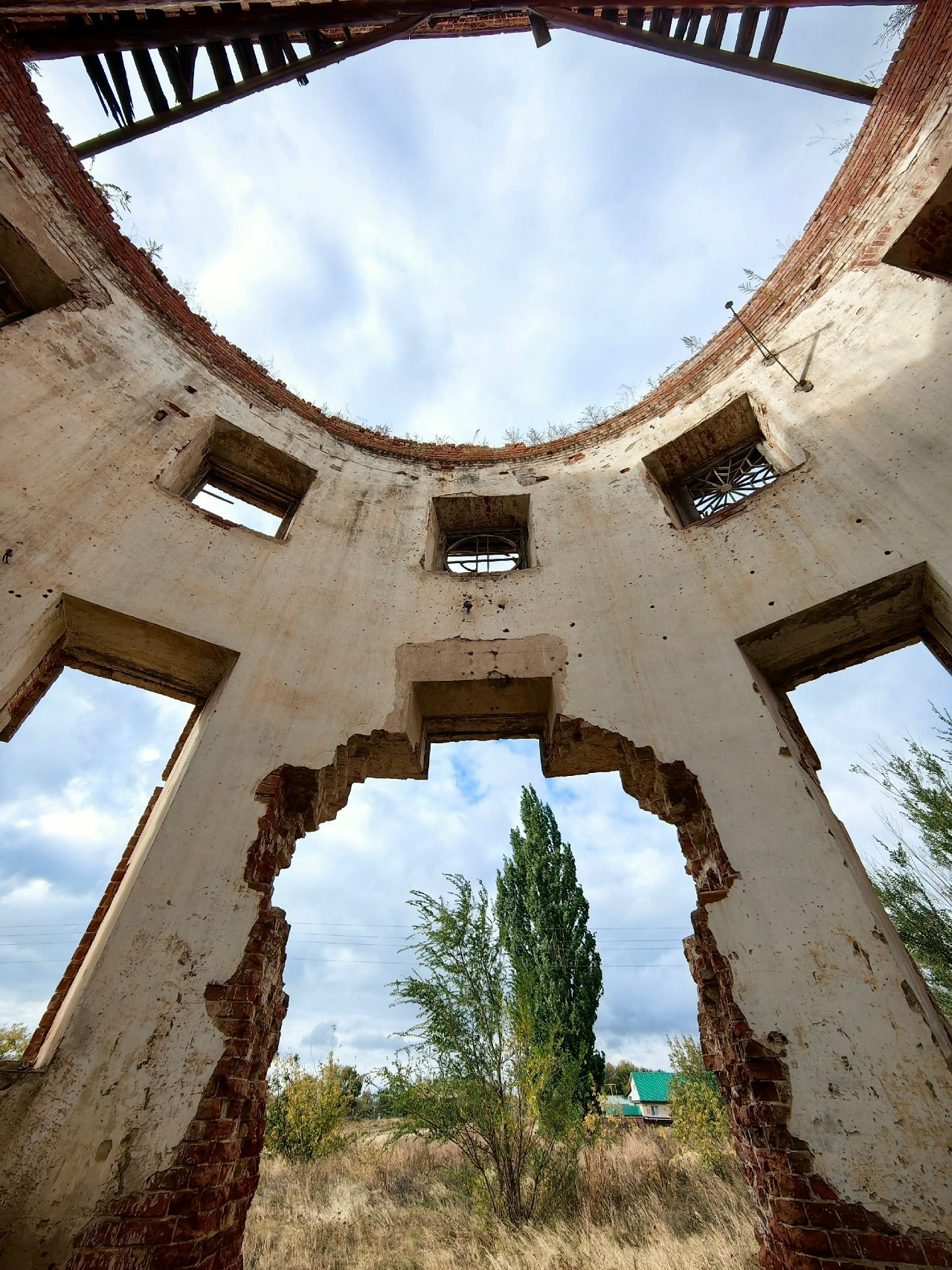
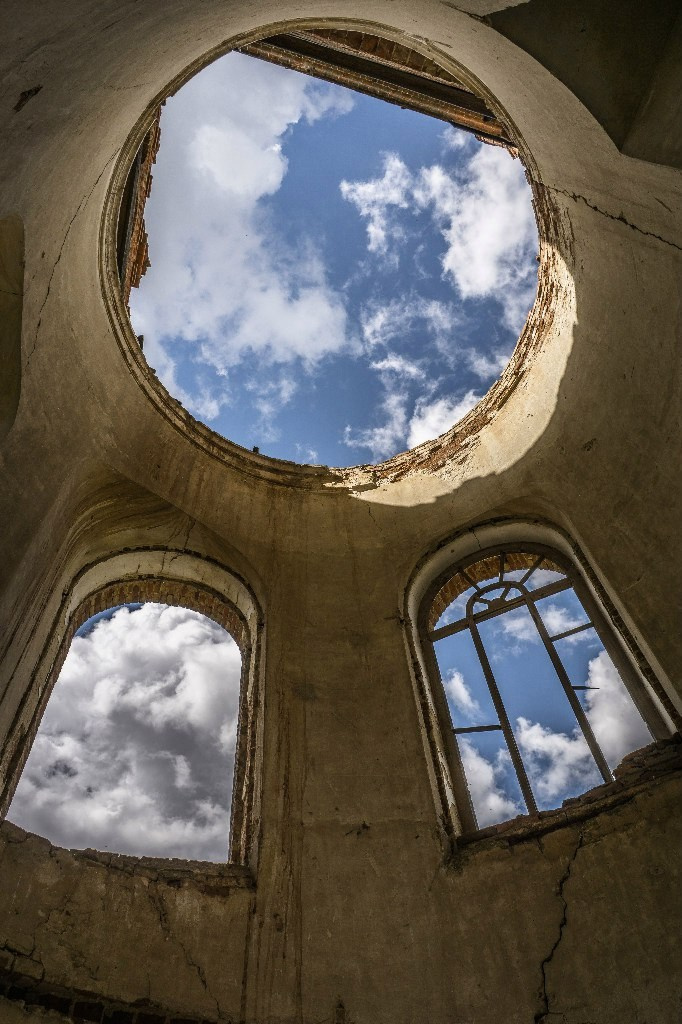
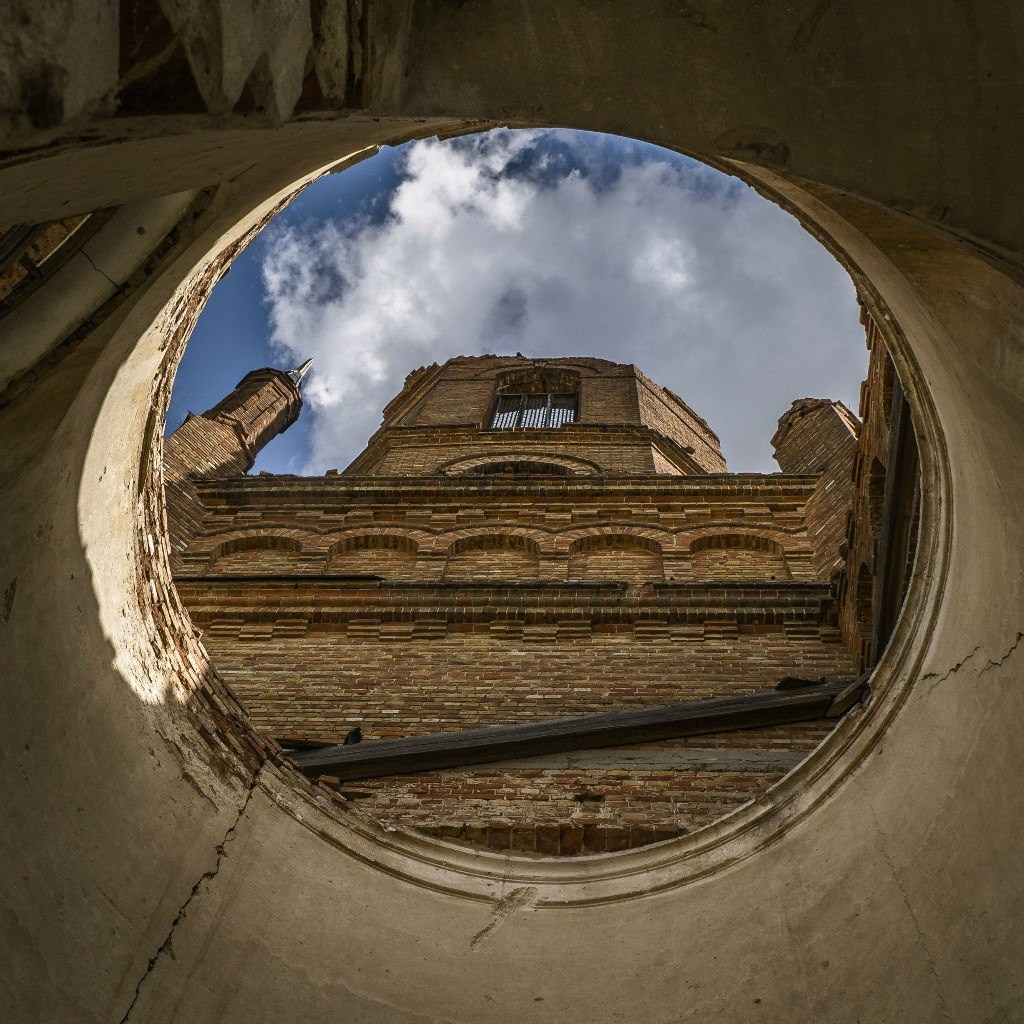
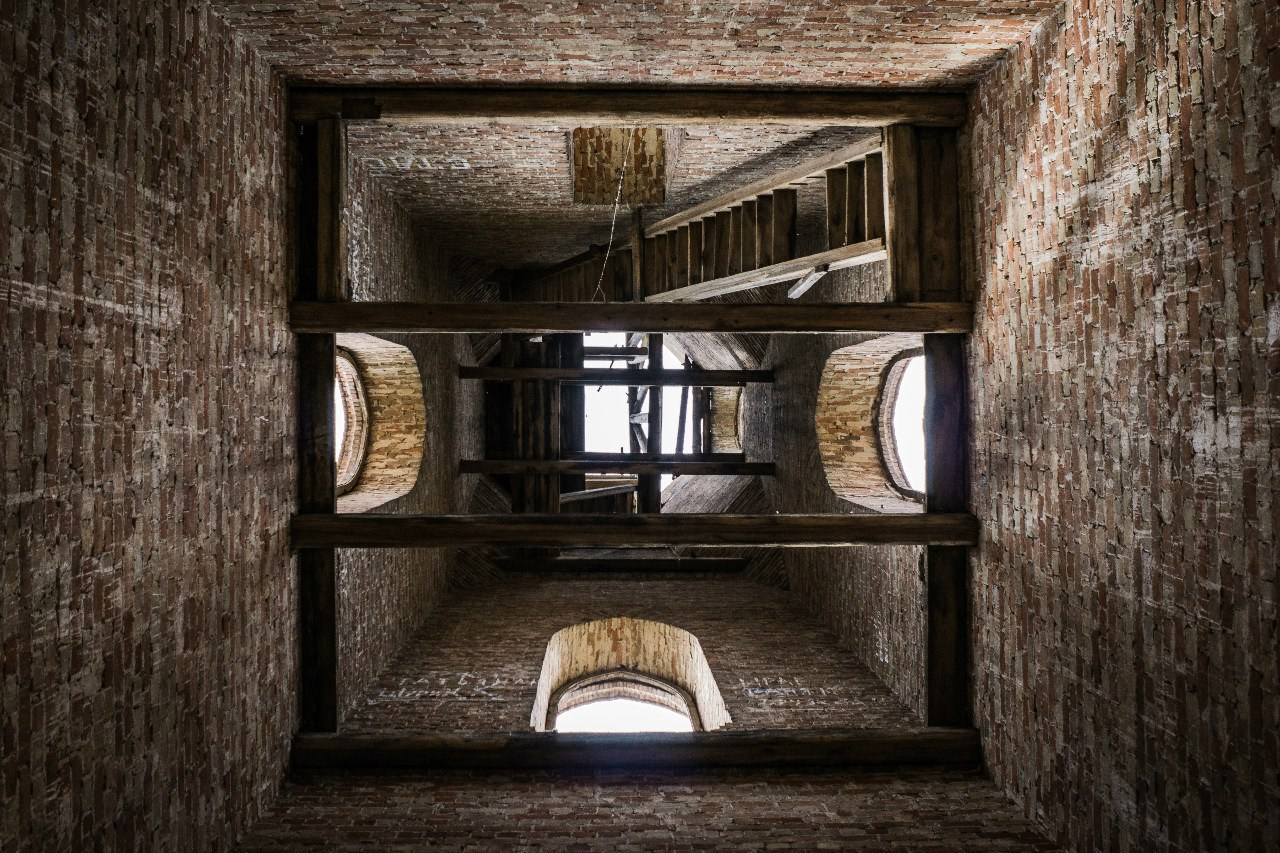
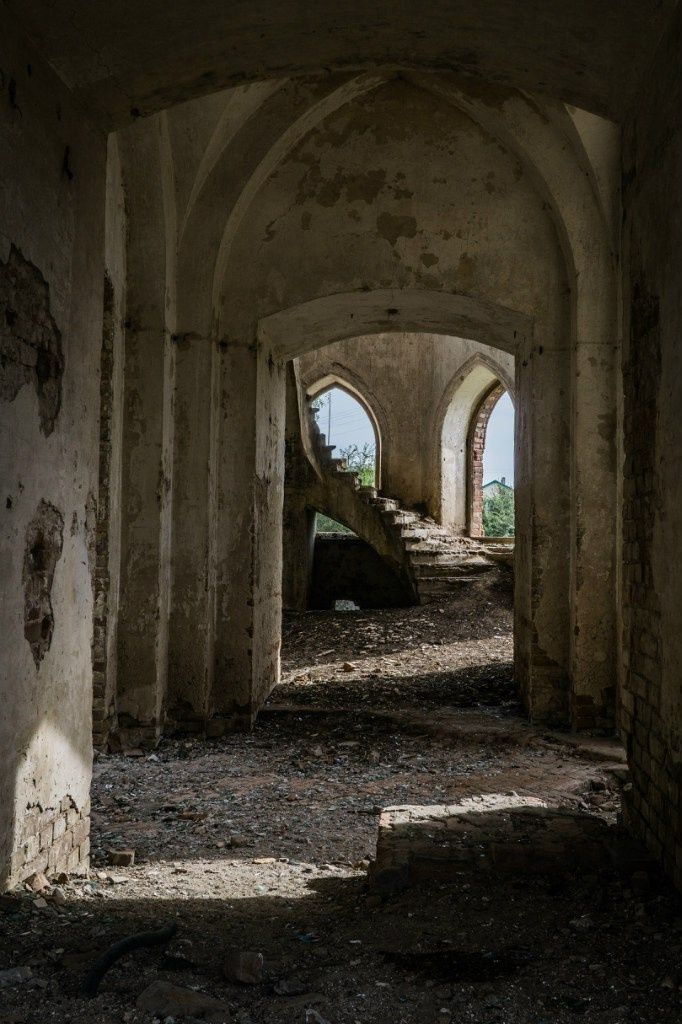
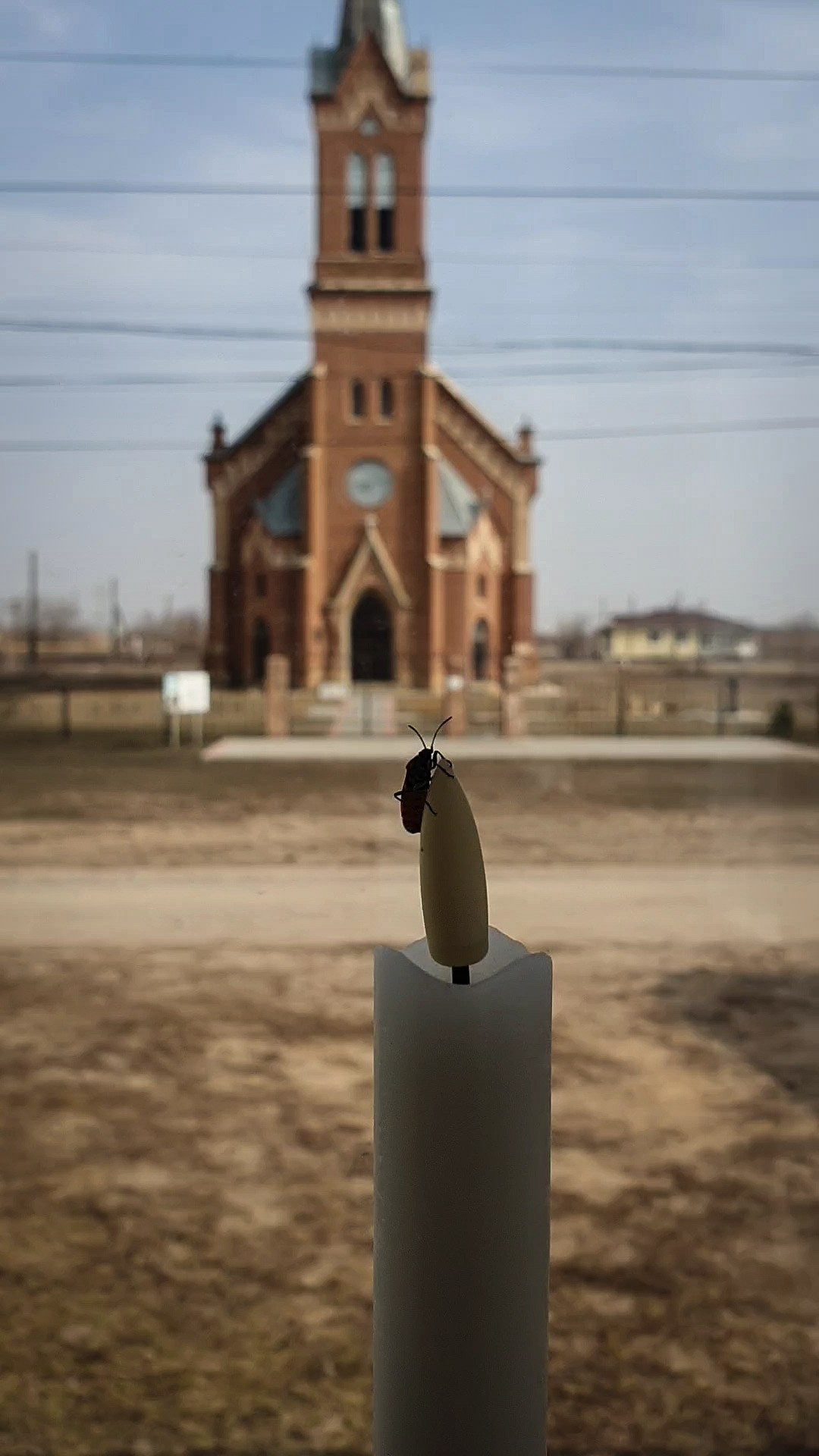
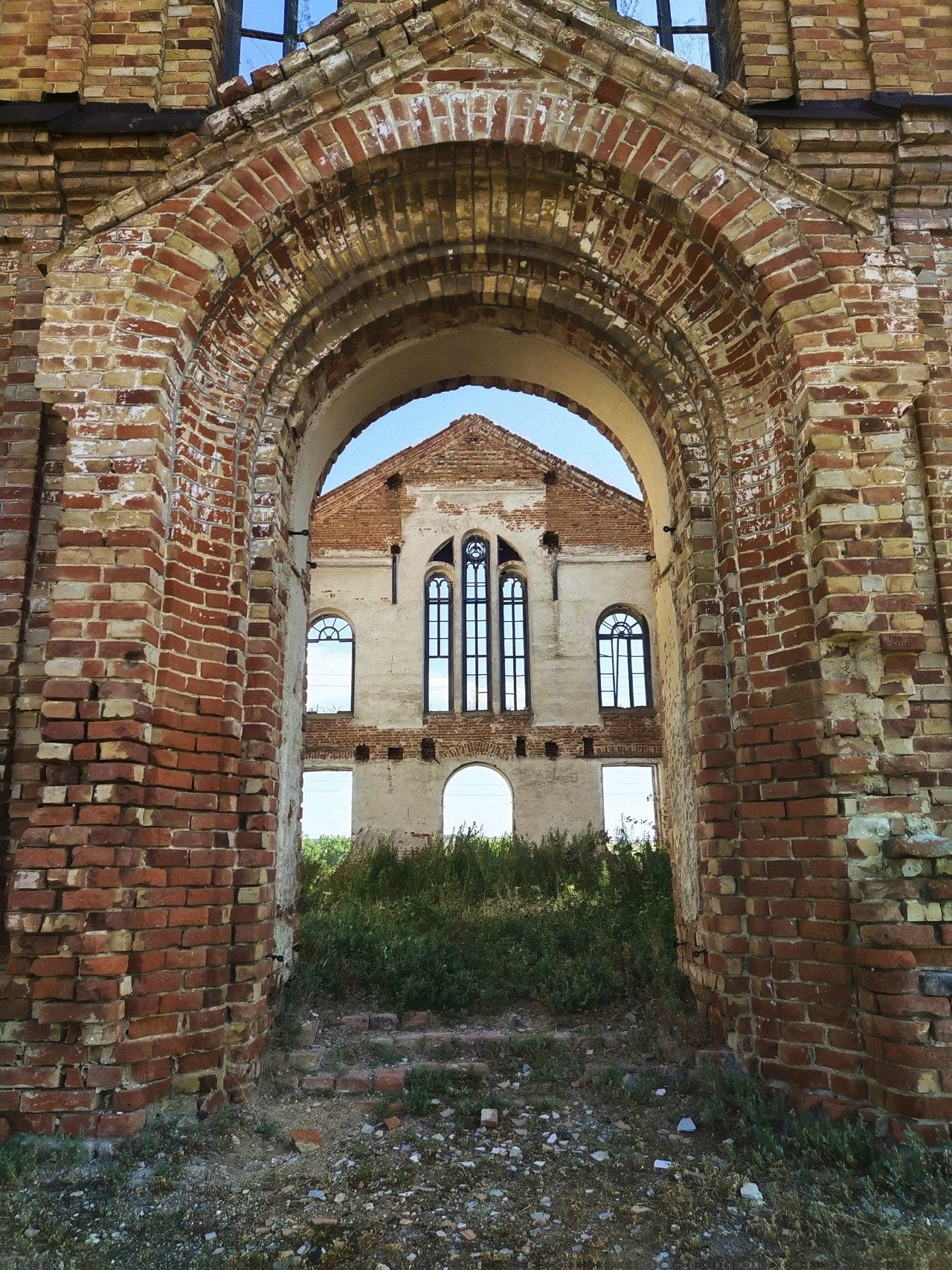
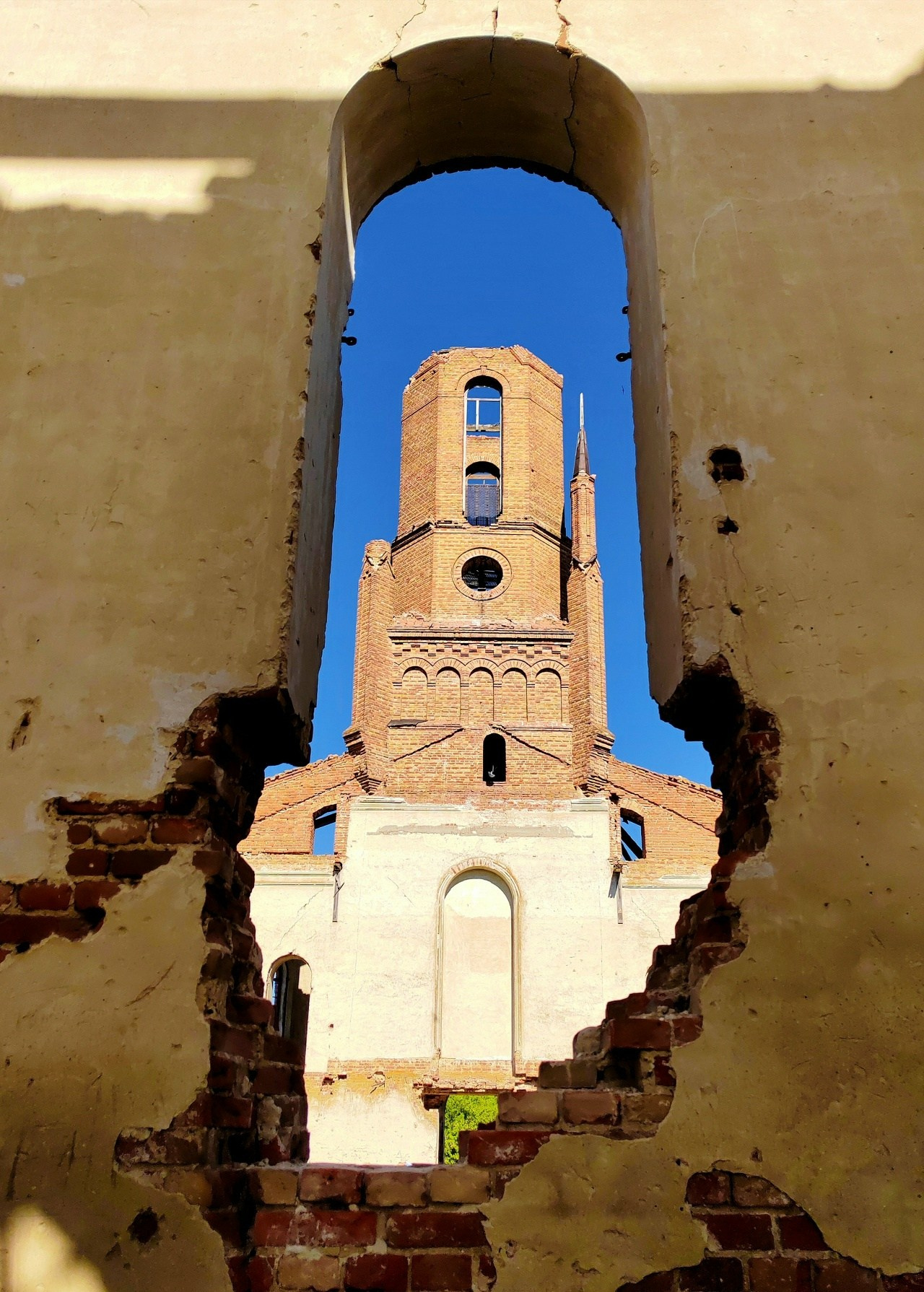
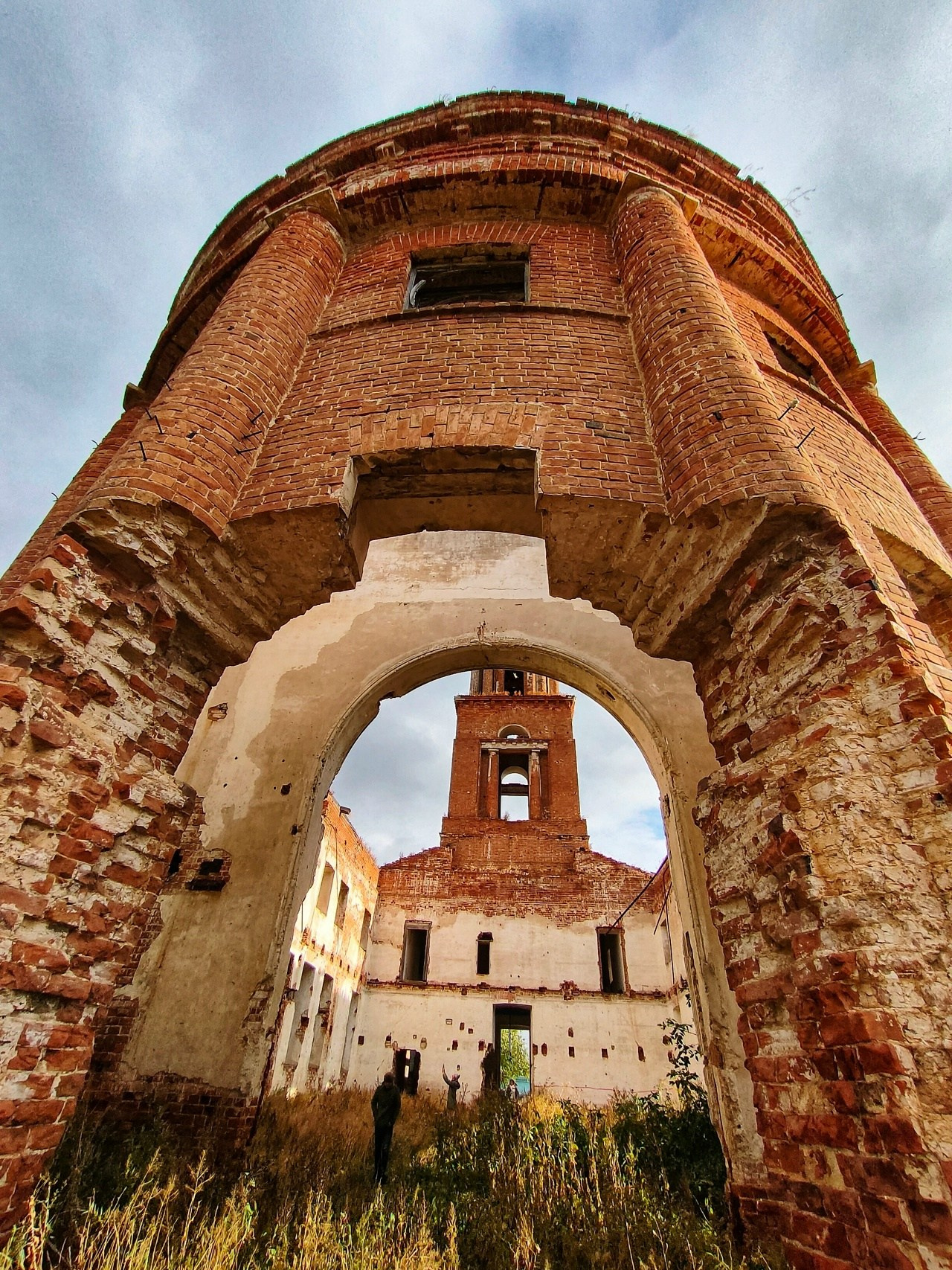
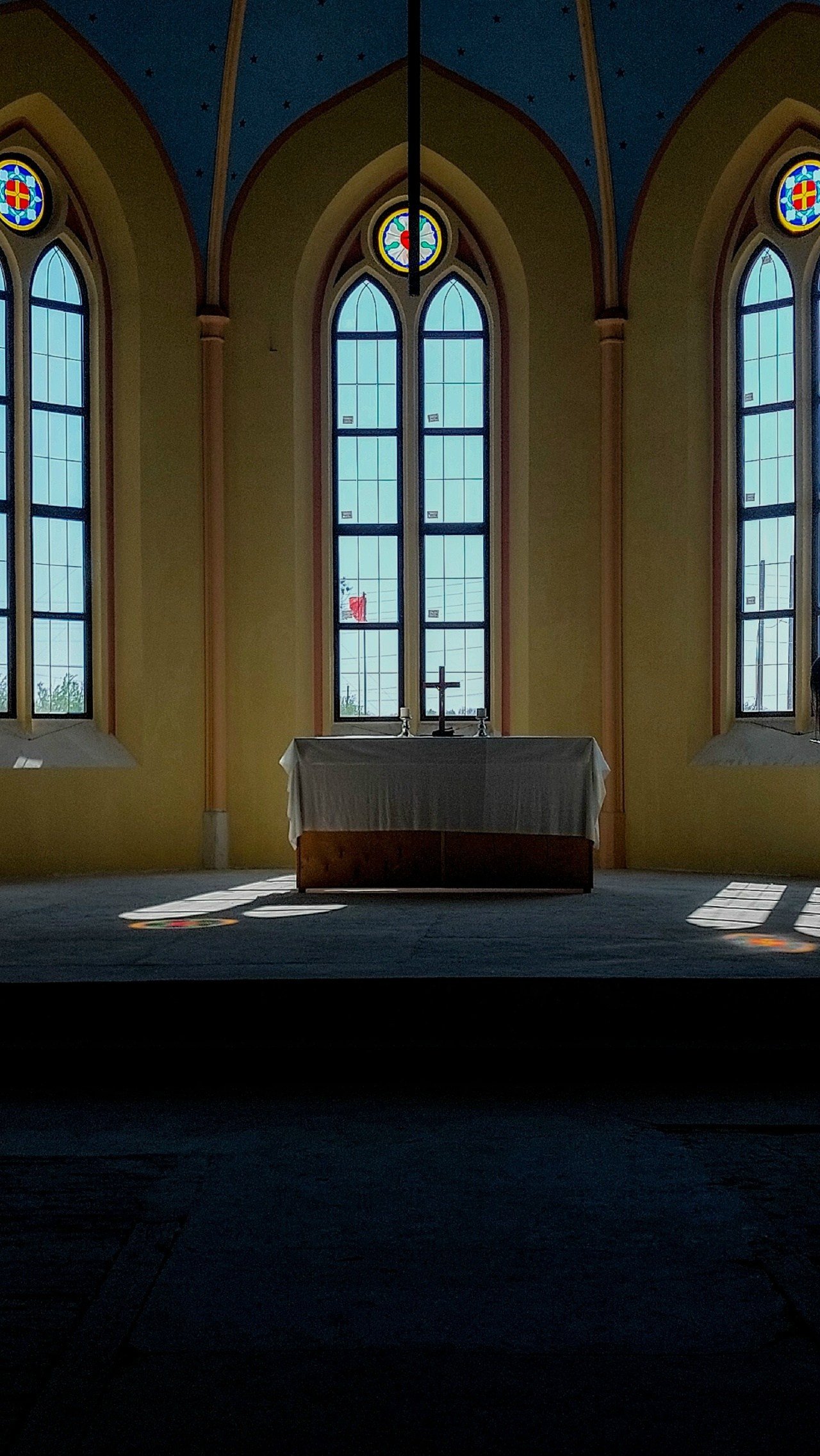
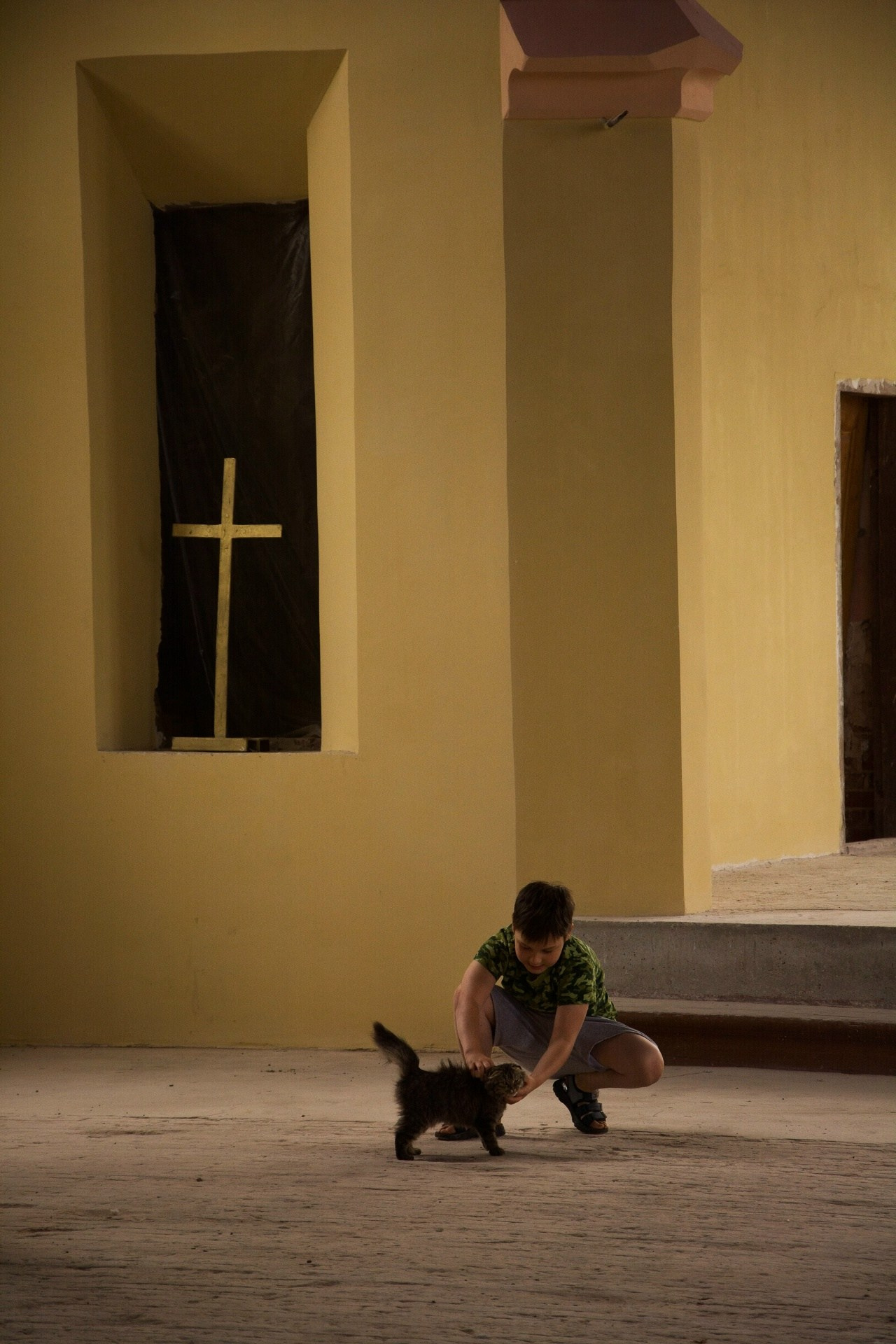
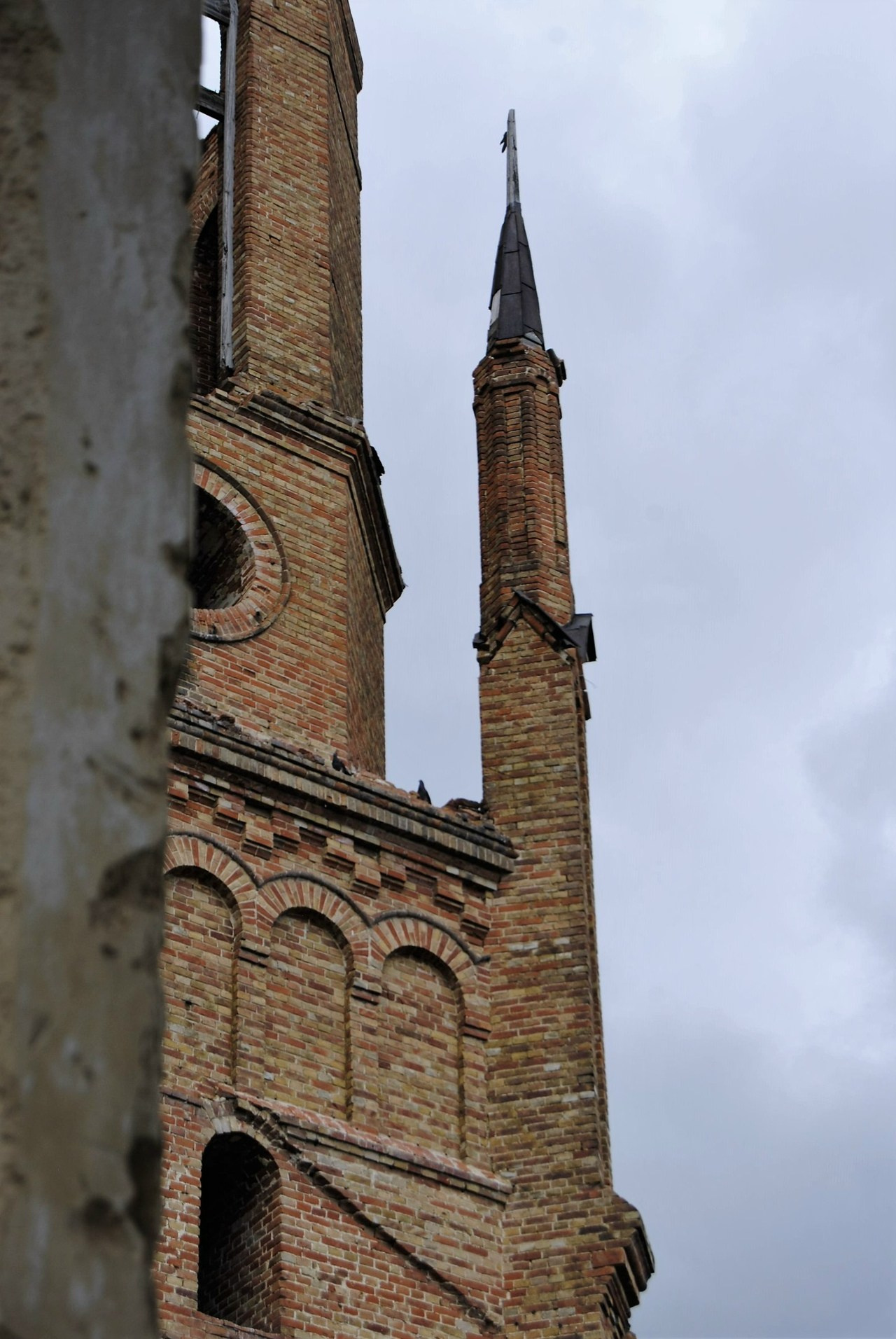
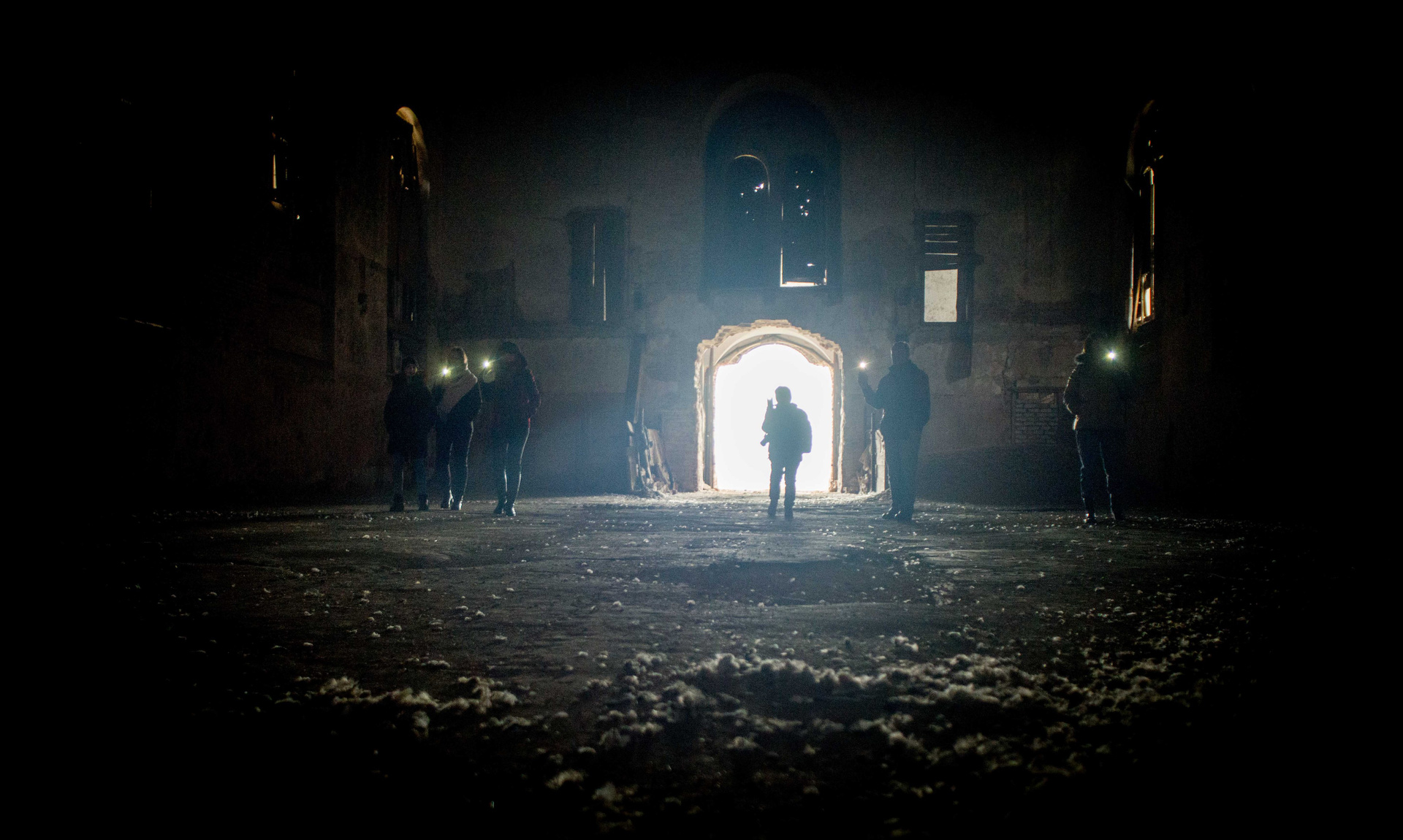
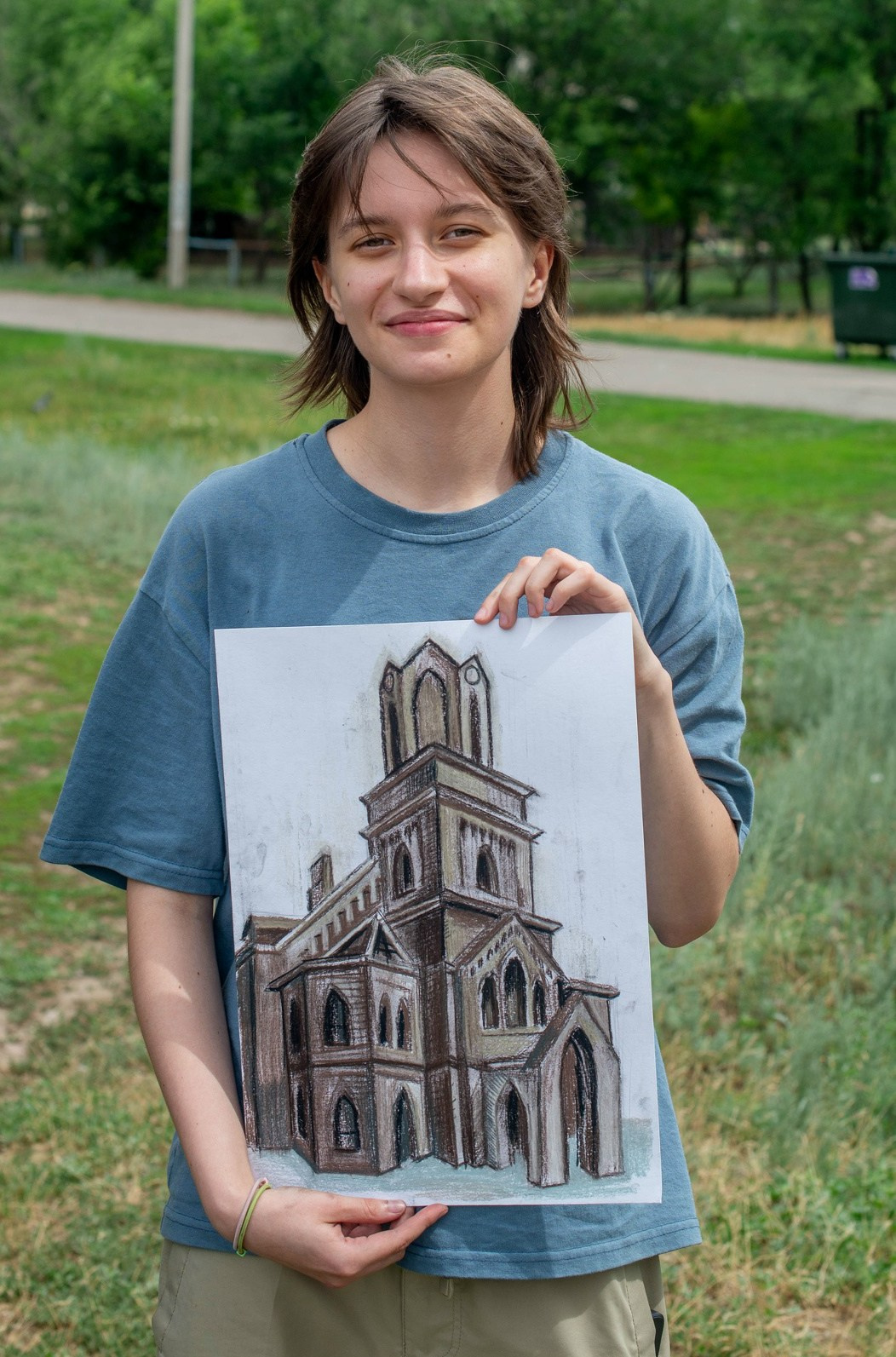
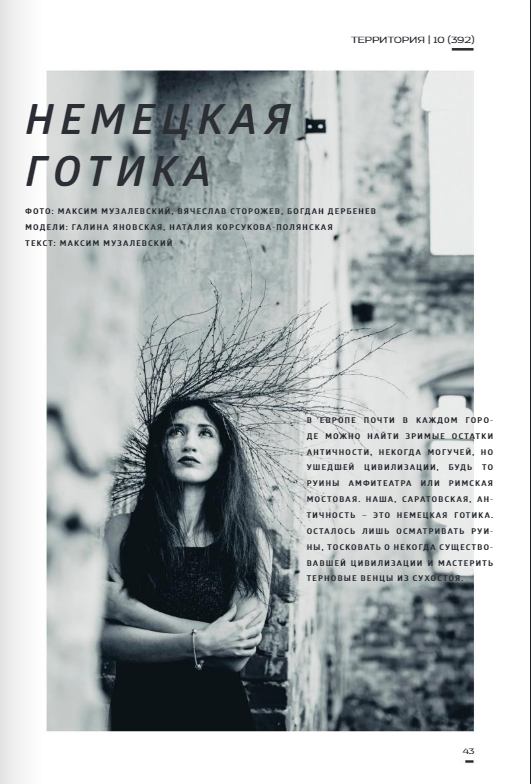
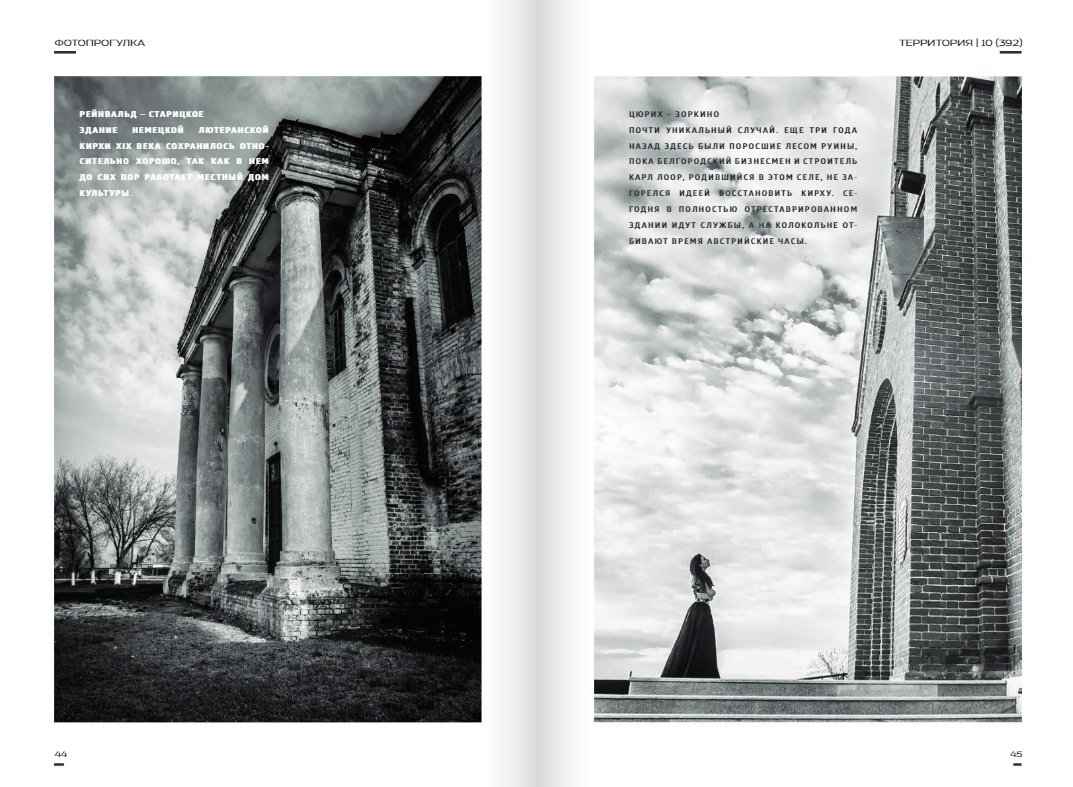
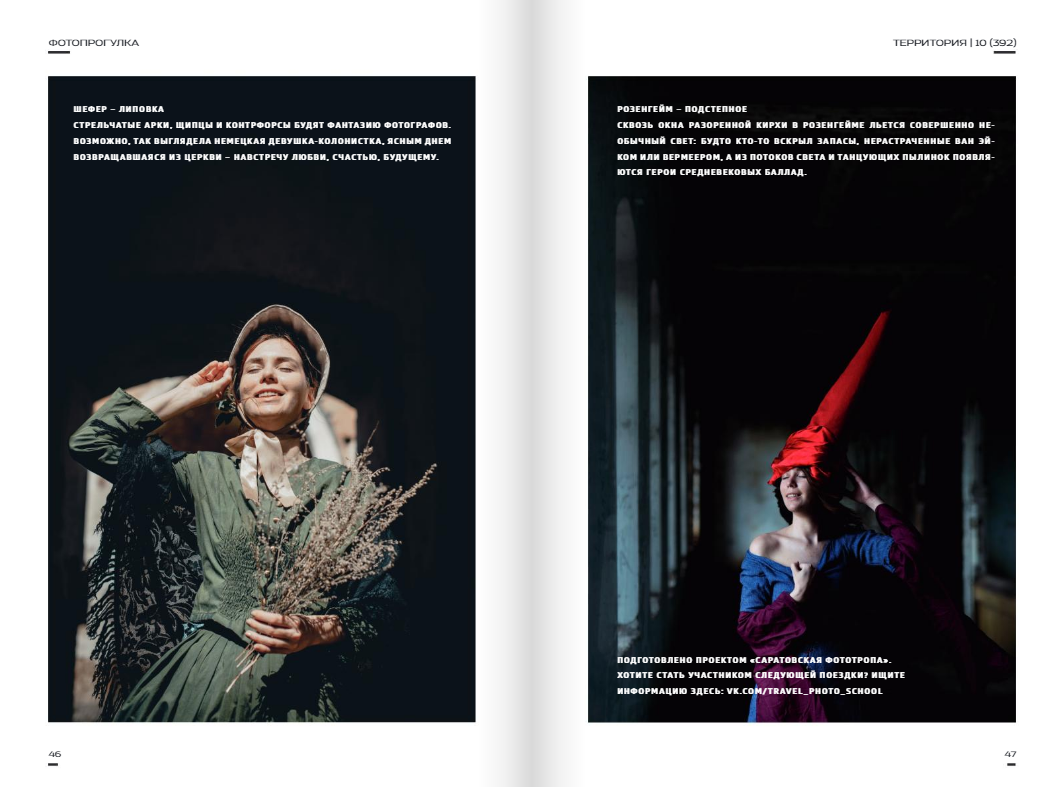
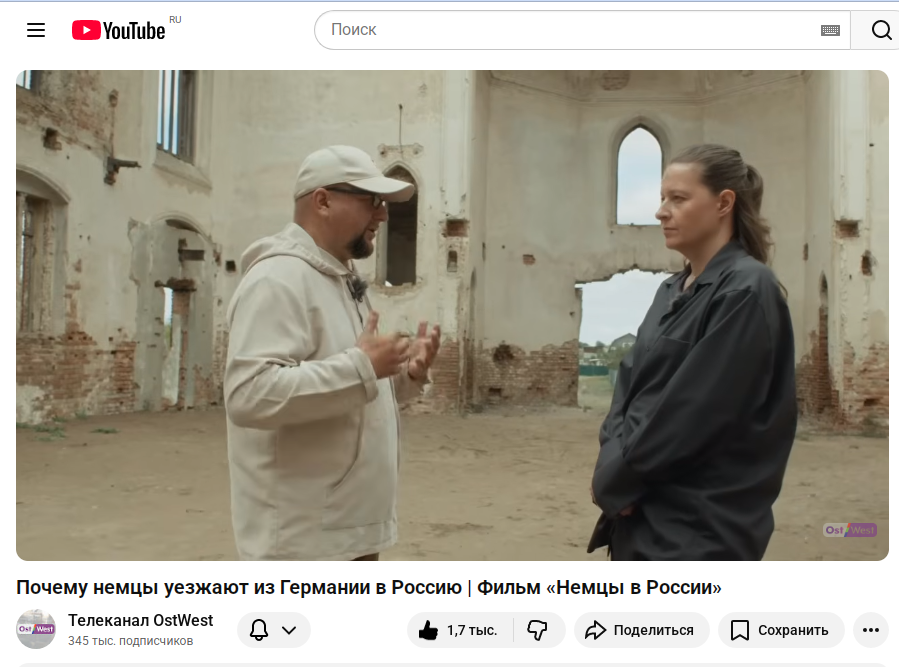
Today, we are trying to preserve the memory of Volga German civilization by documenting its remaining traces. Lutheran and Catholic churches are among the most enduring elements of this heritage. Some stand abandoned, some serve as local cultural centers, and only a few have returned to their original religious function. Most often, we photograph silent ruins, allowing ourselves only occasionally to imagine a solitary ghost among them.
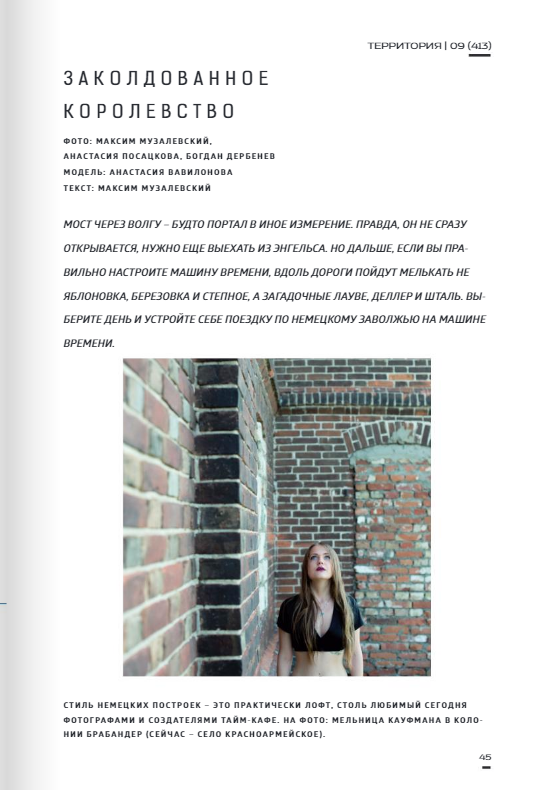
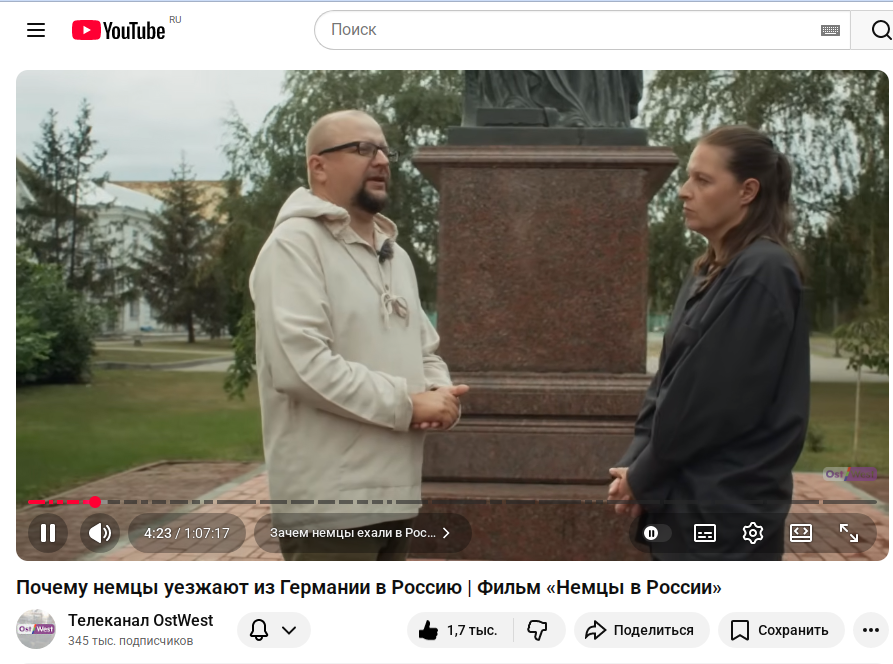
The project has resulted in publications in several magazines. It also led to my participation in the documentary Germans in Russia, produced by the German TV channel OstWest, where I presented some of the locations connected with the history of the Volga Germans.
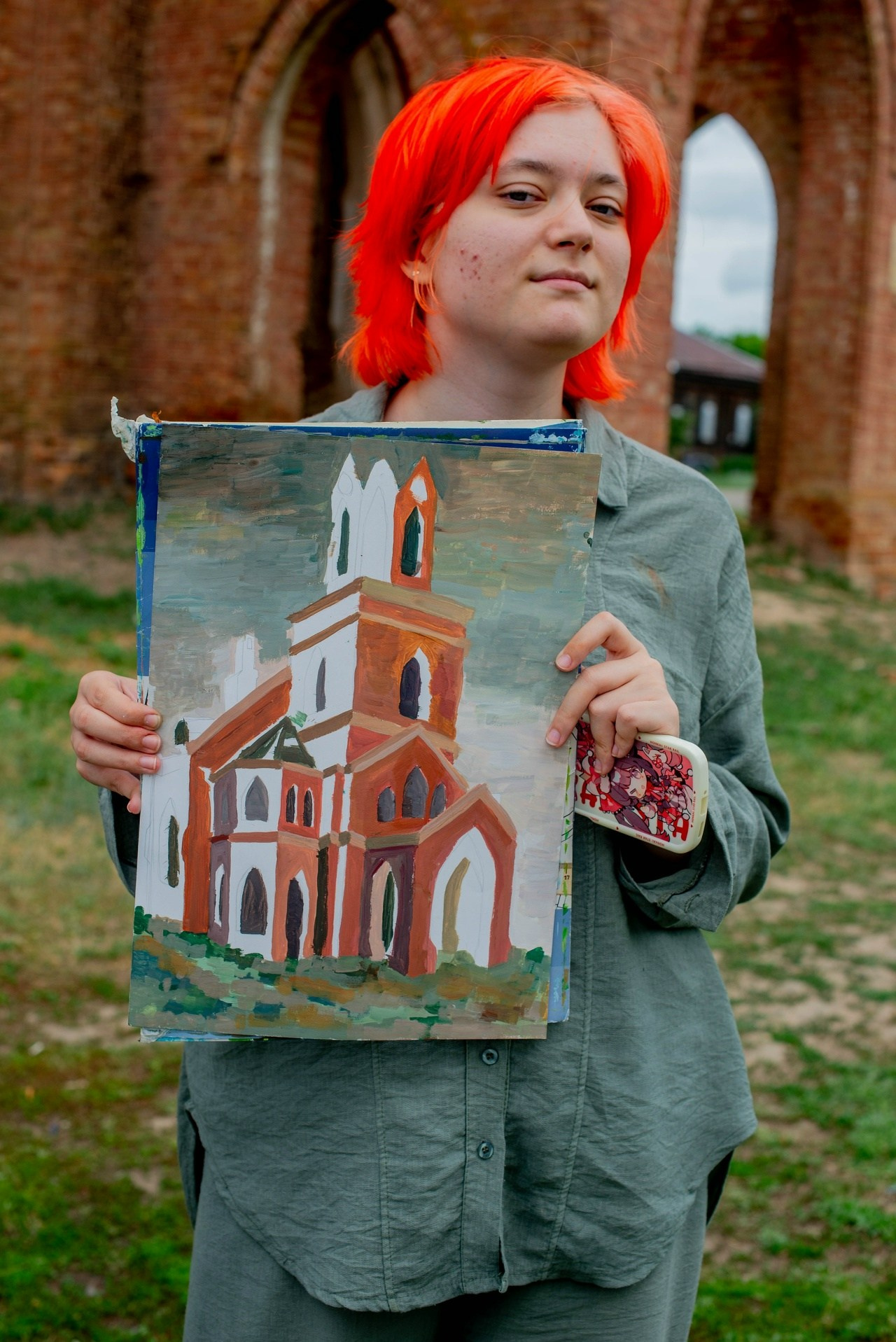
Photographers: M. Muzalevskiy, V. Storozhev, B. Derbenev, A. Chistyakova, E. Cleymore, M. Lyshpynina, L. Medvedeva, A. Ishutina, N. Konovalova. Curated by M. Muzalevskiy.